Stocks

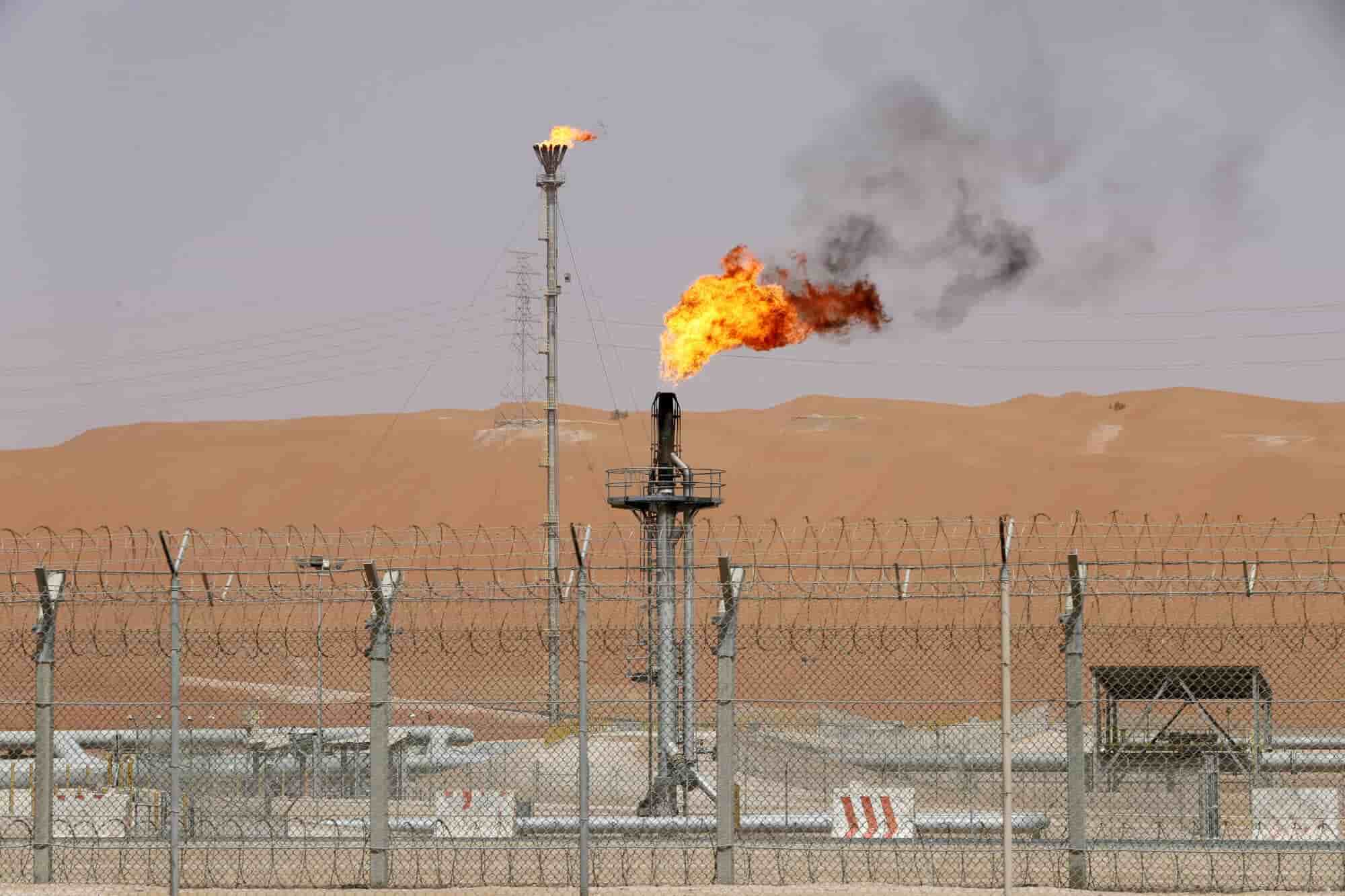
The world is experiencing a slowdown in growth. Owing to the slump in demand, Saudi Arabia Energy Minister Khalid Al Falih has recently said that OPEC and all its allies are ready to respond to the global economic slowdown quickly.

Al Falih told that though he did not see any big recession in the near future, they had everything needed in their hands to correct the situation.

Al Falih said if the world sees a slowdown, the oil market will also see a small slowdown that can be absorbed with adjustment in supply.

Oil prices became much higher when the OPEC members along with Russia in December decided to slash the production of oil. President Trump heavily criticized this step. The deal called for a cut of 1.2 million barrels a day from the world market.

Though the step revived the prices, few major economies like China and Germany objected to the step owing to their slow growth of the economy.

Al Falih said that the group along with its allies is ready to even cut more in supply if needed. He added that they were monitoring the market on a daily basis and if they would feel the need to reduce more than 1.2 million barrel a day, they would not hesitate to do that.

It should be reported here that, US crude oil futures have inflated in recent weeks to trade above $51 per barrel. Brent crude, the global benchmark, is roaming around $60. Saudi Arabia would welcome further price hikes by lowering supply.

According to the International Monetary Fund, the country is depending on oil revenue to fund an economic overhaul and support growth. The economy has contracted in 2017, but it is expected to grow by 2.2 percent in 2018 and by 2.4 percent in 2019.

Higher prices of oil will encourage the IPO (Initial Public Offering) of Saudi Arabia’s biggest state-owned oil company, Aramco. It is a part of the country’s plan to diversify the economy from oil to many things.

The IPO along with other reforms were initially planned to happen by 2018 but later stalled for multiple reasons. But, as per the recent news, the country is planning to bring the reforms on by the end of 2021.

The minister said that they were waiting for the right time so that every stakeholder starting from the Government to other shareholders would be benefited from this.

Saudi Arabia has for the first time recently allowed independent auditors to its vast energy reserves. It is a part of the plan by the country to diversify its economy out of oil.

US energy consultancy DeGolyer & MacNaughton concluded that the country has a reserve of 268.5 billion barrels just above the Government given data of 266.3 billion barrel reserve. The vagueness in the total reserve size and its value has led to the stalling of IPO of Aramco, due to skepticisms by the investors.

Company News

A senior government official said on Sunday that Poland could consider banning the use of Huawei products by the public bodies, following the arrest of one Huawei official from China in Poland last week.

And the Polish Government also is considering passing legislation to limit the use of particular products if it poses any threat to national security. As of now, no such legislation or law is existing in Poland.

Huawei has been facing the ire of western countries as the company was allegedly involving in data theft and security breach on foreign soil. And the recent arrest of a Chinese employee of Huawei along with a former Polish Security official fuelled the western allegations.

But, the Government sources denied that the move to ban Huawei products is not the direct consequence of the arrest. And, he said that after the arrest, the use of the products in Poland for Governmental purpose would definitely be reviewed.

Karol Okonski, a digital expert of the Polish Government, said they would analyze the issue further and then decide whether the use of Huawei products will be totally ended or not.

He also added that the Polish Government did not have any legislation to limit the use of particular products or ban particular products for the public. And it could not be ruled out that in future Poland would see any such legislation for security reasons which would ban certain IT company’s products.

A spokesman for Poland’s security services said that the Polish security official who was arrested by the Internal Security Agency (ISA) had been responsible for issuing security certificates to the equipment to be used by the Government for public purposes. The suspect arrested, also has worked for a number of public institutions, held important managerial positions and was also connected with institutions that protect internal security.

And distancing itself from the incident, Huawei said that it had fired the employee and the allegation made by the Polish Government has no direct relation with the Company.

It should be reported here that Huawei has replaced Apple recently and became the second largest smartphone brand in the world after the Korean giant Samsung. However, it has faced multiple allegations and scrutiny for its relationship with the Chinese Government. The United States also alleged that the Huawei devices could be used to spy on foreign citizens and Governments by China.

However, no evidence could have been produced to sustain the allegation, and Huawei has been continuously denying the charges made by the western countries. And, in the meantime, several western countries have blocked access of Huawei products to their market.

Poland’s internal affairs minister, Joachim Brudzinski, has approached the European Union and NATO to work on a joint position to decide whether to allow or ban the entry of Huawei into their market.

He said that they were examining the readiness of the European Union and NATO countries to work on a joint proposition referring to the new generation (5G) technology telecommunication infrastructure.

In response to all these, China said that the western countries are adopting unnecessary protectionist measures to keep the Chinese growth limited and retain their importance in the market. And, it also added that the steps taken by the western countries are unfair and will be treated and responded with equal responses.

News

Newmont Mining Corporations has declared that it would buy its smaller rival Goldcorp in a deal worth of $10 billion. This deal would make Newmont world’s largest gold producer at the time when easy-to-find reserves are decreasing.

The deal is the second in the last 12 months. Another high profile merger happened in last September when Barrick Gold Corp agreed to buy Randgold Resources Ltd. It implies how the industry is aiming to cut the costs and increase scale.

After the merger, the company will be known as Newmont Goldcorp. And, owing to the anticipated size, it will overtake the current leader Barrick Gold Corp in total production. It will possess mines in America, Australia, and Ghana.

Newmont Mining Corp, Colorado-based company, will also sell assets worth of $1 billion to $1.5 billion over the next few years as a part of the deal, and the same had happened in the last year’s merger between the when Barrick Gold Corp agreed to buy Randgold Resources Ltd.

After the completion of the deal, the company hopes to produce 6-7 million ounces of gold annually for the next ten years whereas Barrick has expected of providing 4.5 million to 5 million annually.

Newmont Chief Executive officer Gary Goldberg will lead the new company. And he is scheduled to retire by the end of 2019. And, the reign will be overtaken by the existing Chief Operating Officer Tom Palmer.

Newmont has declared of offering 0.3280 of its share plus $0.02 for each share of Goldcorp. And, it would be translated to a share price of $11.46 per share in the market for Newmont Mining Corp. It would be gaining a premium of 18 percent as per the data with New York Stock Exchange.

The deal is scheduled to end by the end of the second quarter, and it will save $100 million for the company.

Vancouver-based Goldcorp’s U.S.-listed shares inflated about 13 percent before the bell on Monday. Newmont Mining’s shares were down by 3 percent prior to the merger.

News

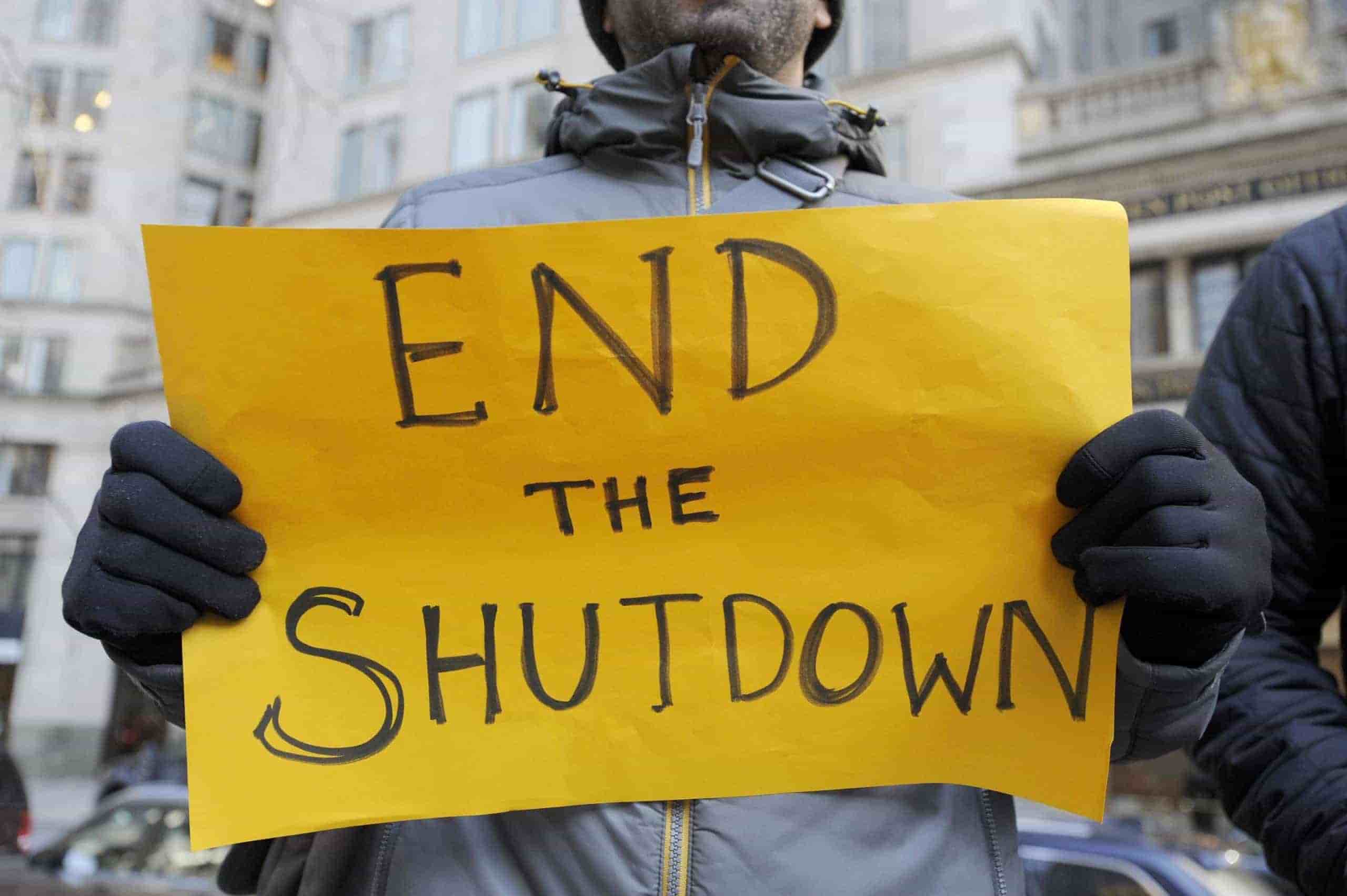
After a deadlock between Trump’s administration and the Congress, the budget could not be passed. And it has been more than 22 days that the United States is facing the longest shutdown of the past few years.

And now as per a study by S&P Global Ratings, if the shutdown doesn’t end in two weeks, the cost of the shutdown is likely to surpass the cost of the proposed border wall for which the shutdown has happened in the first place.

As per the report, around $6 billion will be the cost of the shutdown to the American economy and the proposed expenditure of the Border wall by Trump is $5.7 billion. And as per the latest data, by the end of the last week, US has lost around $4 billion.

Beth Ann Bovino, S&P’s chief U.S. economist said they have estimated that the shutdown is going to shave $1.2 billion each week in this quarter from the real GDP. Though it seems very little owing to the large American economy, it will have major impacts on the workers whose dependence on the paycheck is tremendous.

The firm said that they had come up with this figure of the loss due to the shutdown including lost productivity by furloughed workers and a decrease in sales for contractors to the government.

It should be reported here that the shutdown has entered into the 23rd day on Monday and it has been the longest period of shutdown. President Trump’s demand for money for the U.S.-Mexico border wall could not be fulfilled by the Congress; hence the whole budget got stopped. Trump has also threatened the House to veto any legislation passed by the Democrats in the House for temporary Government reopening.

Consumer Spending-

As the economic shutdown enters into a record-breaking number of days, the retail stores like Best Buy and Bed Bath & Beyond have started to feel the slump in sales.

According to Wells Fargo retail analysts, with more than 800000 federal workers not being paid for the work they have been doing, the economic effect of the shutdown will at least be $2 billion per week.

The retailers who deal with discretionary products will be affected the most. And some retailers like Ulta Beauty and Dick’s Sporting Goods have started to see changes in demand as they operate in the area where Government employees can be found predominantly.

Retailers dealing with household necessities are safe for now. But, if the shutdown persists for more number of days, it may affect the stores like Walmart and Kroger. But, the retailers dealing with staple products like groceries and auto parts are least likely to be affected.

Also, the effect of shutdown can be seen on restaurant chains and hotels. The leisure activities are down specifically in Washington, D.C., Maryland and Virginia.

GDP-

The shutdown of 2013 which lasted for 16 long days ultimately shaved off 0.4 percent of GDP of the fourth quarter. The payments to the government workers and house sale will also be affected as the delay will be happening in passing federal loans.

J.P. Morgan has already cut their first-quarter growth prediction by 2 percent because of the shutdown. Bank of America Merrill Lynch has downgraded 0.1 percent bringing the forecast to 2.8 percent for the first quarter.

As per the experts, if the shutdown ends before the end of this quarter, the economy is likely to be revived once the workers and contractors get their pay. Though the government workers are likely to be paid after the shutdown, their disposal cash at hand will be higher ultimately reviving the economy, the value lost to the contractors and the other related businesses cannot be revived.

Stocks

After multiple decades of dependence on oil, Saudi Arabia is finally all set to diversify its economy. As decided earlier, after a delay of almost a year, Saudi Arabia is now all set to sell assets worth of $11 billion.

The Arabian Government aims for this money by 2020 through its privatization program that includes the sale of stakes in utilities, soccer clubs, flour mills, and medical facilities. The selling of stock will be done to detach the Arabian Economy from the high influence of oil only. But, the plans of stock sale have been delayed for multiple reasons, especially the introduction of IPO of oil giant Aramco.

According to the National Center for Privatization and PPP that deal with privatization said with the current status of initiatives and the progress made by the Privatisation Supervisory committees, the target seems attainable. And except a few big things, all the projects are on schedule.

As per NCP’s statement, Saudi Arabia will complete the sale of four flour milling companies and Saudia Medical Services facilities by the end of this year.

Jean-Paul Pigat, head of research at Dubai-based Lighthouse Research said privatization is one of the major parts in the large reform process Saudi Arabia has planned. But, it has been missing its target dates, and in comparison with the last year, the macroeconomic conditions may not be conducive for acceleration in privatization this year also.

Here are the details of the Companies, Saudi is aiming to privatize-

Saudi Aramco-

Crown Prince Mohammed bin Salman declared the sale of shares in 2016. And announcing the IPO, he said he meant only business by the sale of the shares. And, experts believed it to be the largest IPO in the world. Later, the target year was pushed from 2018 to late 2020 and finally to 2021 so that it can buy a $70 billion stake in the kingdom’s biggest petrochemical company Sabic.

Stock Exchange-

Tadawul, the Middle East’s largest stock exchange, released plans for a public offering in 2014. It also had appointed HSBC Holding Plc. as the financial advisor. It was also scheduled to be done by 2018 but later dragged to the end of 2019. It is expected that inclusion of Saudi stocks in indexes compiled by FTSE Russell and MSCI Inc. may boost the company’s value, ultimately giving larger amount after the sale.

Riyadh Airport-

The stake of King Khalid International Airport was also scheduled to be sold in September. But, it was put on hold. The Saudi Civil Aviation Holding Co. is said to have asked local and international investment banks to act as financial advisor to the deal.

Flour Mills-

There was a plan to sell four flour mills by the Saudi Grains Organisation in 2016. It was also delayed by three years. Potential buyers have filled their application for bidding. HSBC Saudi Arabia is the advisor for this deal.

Ras Al Khair Power Plant-

Ras Al Khair power plant on the east coast was scheduled to be sold at $7.2 billion by 2020. BNP Paribas was hired to advise on this sale. The sale of this plan is a part of the larger plan of privatizing Saline Water Conversion Co. by selling a part of its assets and developing plants.

Soccer Clubs-

The plans to privatize the Soccer Clubs were first formulated in 2016. And the sale was scheduled to be ended by 2020. Turki Al Alshikh, former head of the Saudi Sports Authority, predicted to raise money in the range of $800 million to $1.5 billion from this sale. The NCP said that the last year was spent on deciding the legal and commercial framework to cover the use of advertising, sponsorship deals and broadcast rights to be used after the sale.

The NCP also added that along with these big deals, there are also some deals in the pipeline which will be open to the public for holding stakes. They include municipal assets related to commercial-land for development, renewable energy PPP projects in solar and wind, parking centers; a second cargo license station at King Khalid International Airport, the establishment of an agriculture company and independent schools in PPP mode, as well as school buildings on a build-maintain-transfer basis.

In the health sector as well, the NCP will open tenders in PPP mode in radiology, laboratories, hospital commissioning and housing for health facilities staff. It is aiming to get around $7.5 billion from the sale in health care.

The NCP replied when asked about the delay, that they were finalizing on the legal and commercial framework for the sale to happen. They want the best-in-class operators across the globe to participate in the PPP sale. And for investments, they plan to attract long term and reliable investors to Saudi Arabia.

It is indeed an important step by the Saudi Arabia Government to diversify their economy. Oil has been the vital component of their market, and with the reforms, they have in the pipeline, it is expected to have fewer shocks globally in the Oil market if they become successful in diversifying.

News

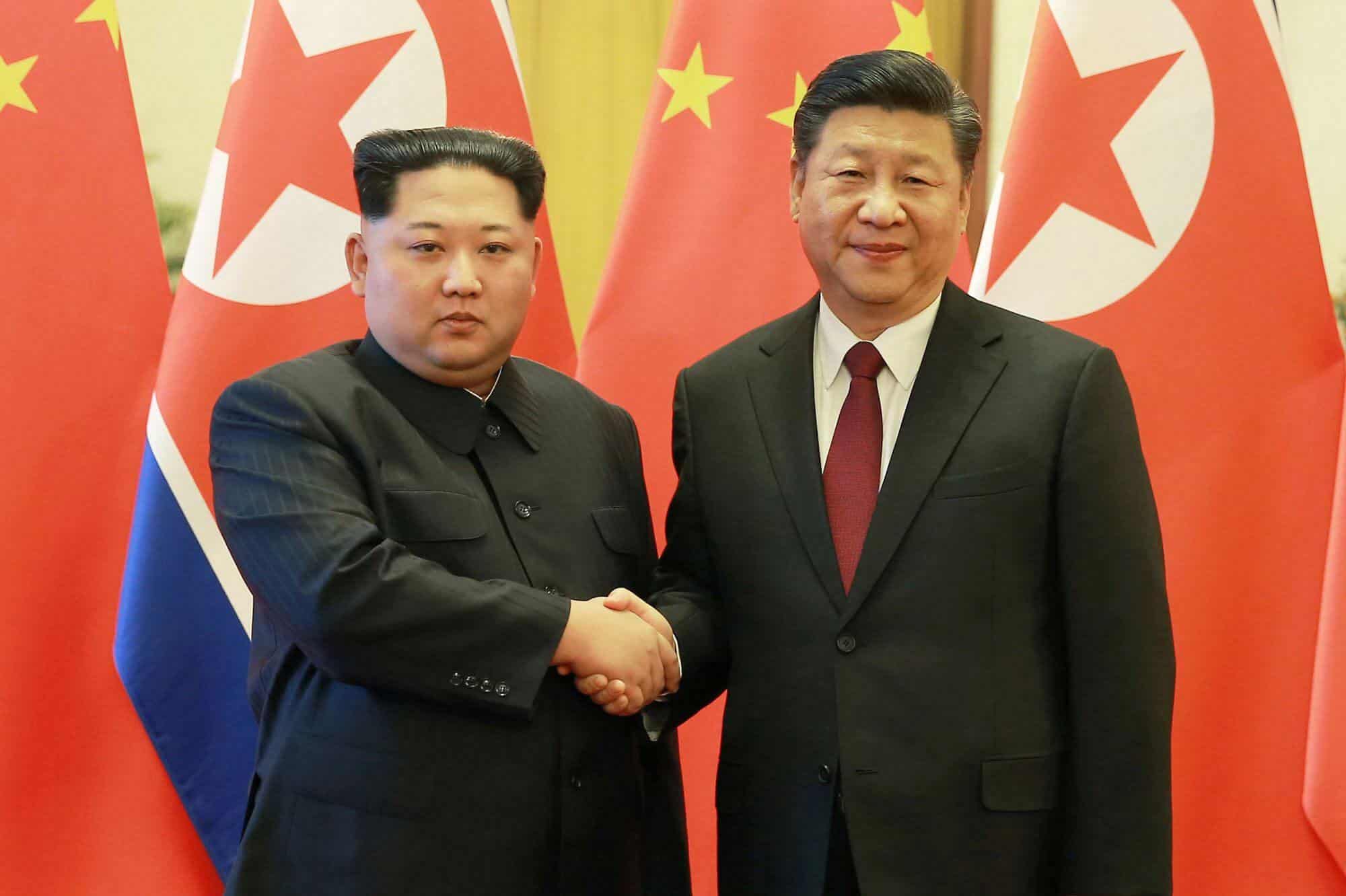
After being infamous for facing the ire of the United States, North Korea seems to have changed its way. Though, not on its security front, it is now aiming to bring about economic development. The recent meeting between the North Korean leader Kim Jong Un and Chinese President Xi Jinping happened in Beijing. The meeting had multiple agendas like economic ties, nuclear talks and a possible second summit between the U.S. President Trump and Kim.

But, there was one topic which was officially not on the agenda. But, it was considered and thought upon. It was the idea of North Korea joining China’s ambitious continent-spanning Belt and Road Initiative, a project aiming to link more than 60 countries in Asia, Europe, Africa, and the Middle East through overland and maritime routes.

After the nuclear threats, the isolation by major countries and the United Nations has been weakening the nation gradually. North Korea is now investment-hungry. And, as per experts, it is the major reason Kim has been engaging with global leaders over the past few years.

North Korea’s other Goals

As the country has been trying very hard to secure nuclear power for prospective alleged threats from the neighbors, North Korea should now move forward to have other goals as well. It has a bad economic condition, so an economic goal for the nation is the need of the hour.

Seoul based online newspaper agency NK News published last month that North Korea is in need of $7.7 million investment. And the information is on North Kore’s foreign trade ministry’s website. And, for this to be happening North Korea would definitely need the help from its rich neighbors.

Among all its neighbors, China seems the brightest for North Korea. The geography, political ideology and the history they share are quite comforting for North Korea. And, China has been the largest trading partner for the economically isolated country for last few years.

Dane Chamorro, a senior partner in the Asia Pacific division of Control Risks, a consulting firm specializing in politics, said North Korea would love to be a part of the mighty Belt and road initiative. It is only waiting for an invitation. Once it is in the group, it can utilize investments and funding to upgrade railway links, ports, and other infrastructures.

Beijing also is not immune to this idea. It has always been prompt in adding more number of partners to this multi-country project. It should be reported here that China has invited North Korea to be a part of the Belt and Road Initiative summit in 2017. But, as of now, nothing has been confirmed about the partnership.

Mintaro Oba, a former U.S. State Department official who specialized in the Koreas in the Obama administration, said having North Korea in the group will be more trouble than the economic worth. So, it is evident China will take much time to consider this.

Having countries like North Korea in a group only will give the group a bad name. It will further cement the doubts and skepticisms of the United States and India that Belt and Road initiative is only to increase the dependence of other member nations on China and with so much of skepticism, it is unlikely to flourish.

As of now, the Chinese leader has decided to go slow with North Korea. Both of these countries will have to wait and watch the global changes in the geopolitical arena. Then only China can decide whether the two countries’ relationship can go more than just security to an economic partnership.

If denuclearisation happens soon in North Korea, it is more likely that China will help the country to be able to stand on its own. China would definitely like North Korea to learn from its history. The economic type and model of economic form in China can be implemented in North Korea; if that happens, China would be the first in Asia to help the country in economic development.

And another factor in this would be South Korea. South Korea is a significant partner in BRI, and if North Korea is taken aboard, South Korea will also have to decide how much the government wants to connect the New Northern Policy with the BRI.

News

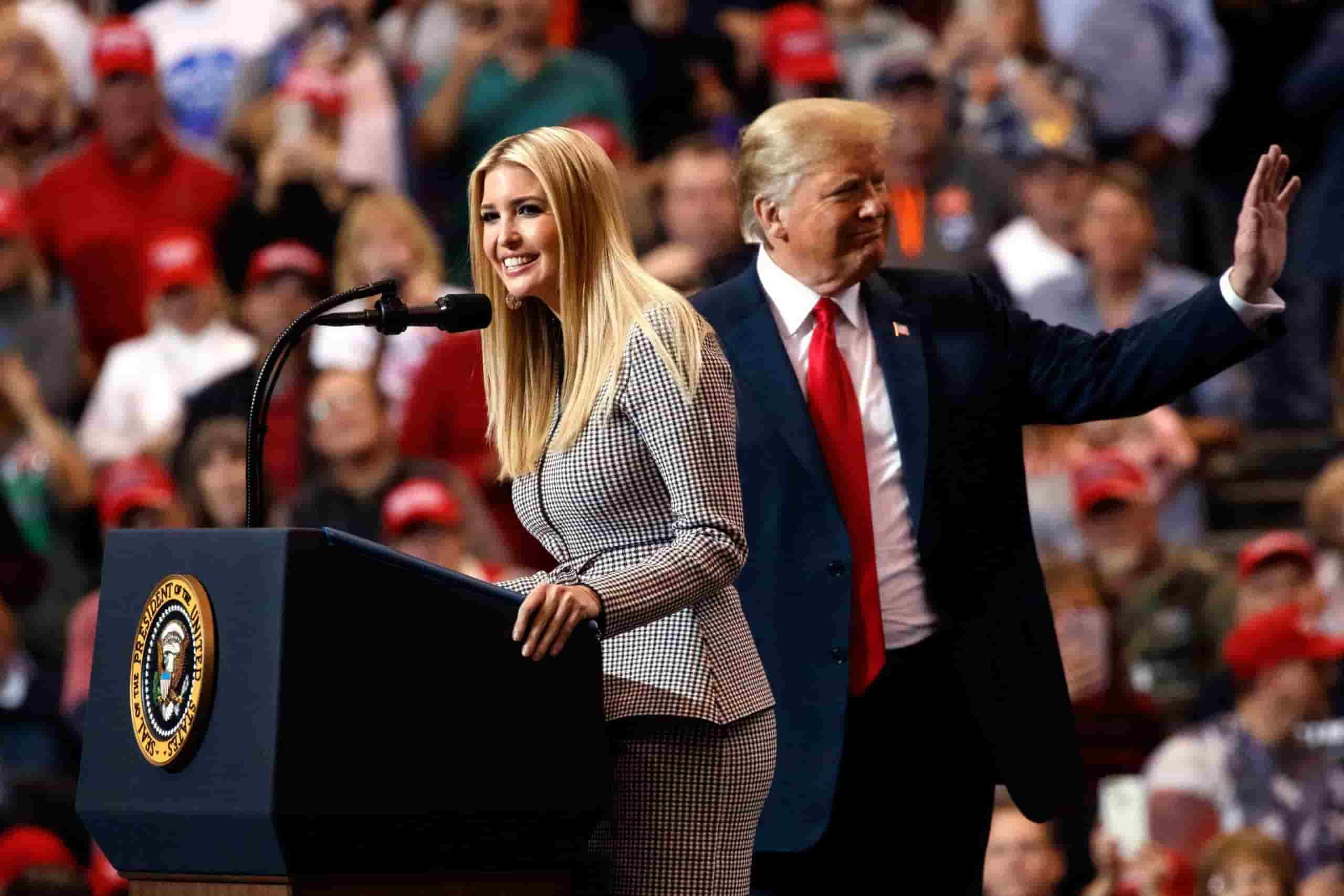
After the unexpected departure news of the World Bank President, the race is on to fill the post. Former UN Ambassador Nikki Haley and the daughter and advisor of President Trump, Ivanka Trump is among the contenders.

Kim surprisingly announced his departure from the World Bank after cutting short his second term. His second term was scheduled to end after three years. And, Nikki Haley stepped down of the post of Ambassador last month. Along with Ivanka and Nikki, the other names that are being floated are treasury undersecretary for international affairs David Malpass and Mark Green, head of the US Agency for International Development.

It should be reported here that Ivanka Trump had worked as the driving force behind the $1 billion Saudi Arabia supported fund to promote entrepreneurship by women. The Treasury Department denied making any comments when asked about the list of potential candidates. The department said it has got multiple recommendations for filling the post, and they are initiating an internal review process for choosing a nominee for the United States. It also added that it was looking forward to working with the Governors to select the new chief.

The World Bank was founded after World War II. And, since its inception, by convention, the United States has been choosing its chiefs. But, recently the times have changed. Kim was the first chief to face resistance in the form of competition in 2012. A nominee of the United States no longer enjoys absolute access to the post. However, the Bank’s board had assured to have an open, merit-based and transparent selection procedure for selection of the chief and it would not exclude any candidates for not being American.

The World Bank Board has said that it would start accepting nominations for the replacement of Kim by the next month and the name of the next chief would be finalized by April. It also added that the next president of the elite institution should have a proven track record of leadership and experience in managing large organizations with international exposure.

The outgoing president of the World Bank has declared that he would work with the private sector to bridge the gap in funding meant for infrastructure development for the developing and underdeveloped nations. It should be noted here that there was information about a scuffle between the Trump administration and Kim, but the information was never officially verified. So, ultimately Kim’s departure has given President Trump an opportunity to post the person of his choice.

The World Bank Group consists of five organizations which provide funds on loan to developing nations for infrastructure development. It has currently 189 member countries. Along with the World Bank, International Monetary Fund (IMF) also works on that front. And like the World Bank, IMF has been having its chiefs from European origin from the starting.

Trading News

The US special representative for Iran said recently that there would not be any more waivers on the oil sanction posed by the United States on Iran. The step has been decided to choke off Iran’s source of income further.

In a news conference, he said Iran is gradually feeling isolated, and the sanctions are blocking a major part of the country’s revenue. The motive of the American sanction on Iran is to deny revenue to the country.

As per the United States’ version, around 80 percent of Iran’s revenue comes from oil exports, and Iran has been using it to augment state-sponsored terrorism. So, the United States will deny the money it needs to encourage terrorism by imposing sanctions.

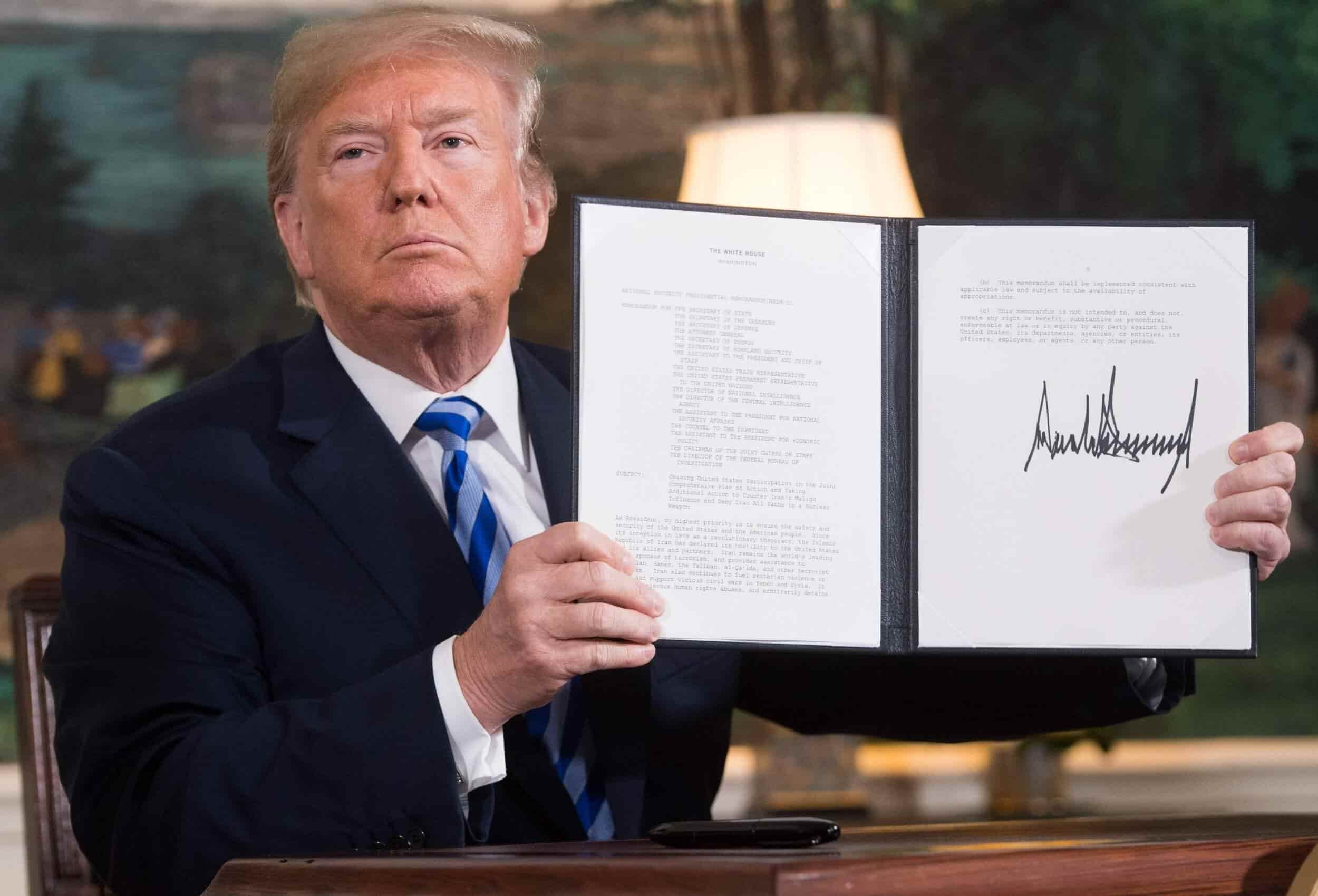
All these tensions started in May 2018. President Trump abandoned the Iran nuclear deal saying the deal was skewed towards Iran’s undue advantage. Hence, by moving out of the nuclear deal, he again imposed the economic sanctions which were effective from 2015.

It should be reported here that the Joint Comprehensive Plan of Action, known commonly as the Iran nuclear deal or Iran deal is an agreement between six countries and the European Union after the United States withdrew on the charges of deal violation by Iran. However, none of the other countries in the Iran deal moved out. The other countries in the deal are China, Germany, Russia, United Kingdom and European Union (EU).

As per an American envoy, U.S. wants negotiation and a better deal. But, Iran does not agree on the terms of U.S. So, the United States is trying to stop Iran get the billions of dollars as revenue. With huge pressure on liquidity crunch, Iran would come to the table for negotiation.

But, replying to that, Iran has confirmed that it did not want any negotiation or any new deal from the United States. And it would not compromise with its security for any deal. It is to be noted that the bone of contention here is Iran’s ballistic missile program, which was disliked by the United States and its allies like Saudi Arabia and Israel.

Special envoy said the U.S. is happy that China has limited oil imports from Iran and they expect more cuts from China and they will ensure to do that.

Iran is going through a tough phase as it now struggles to get any new buyers due to U.S. sanction. But, some of the traditional customers of Iran managed to secure a waiver to get the Oil supply uninterrupted.

The countries which have managed to get the waivers were China, India, Japan, and South Korea.

The special envoy, when asked about the end date of sanction, denied making any comments further.

Opinion & Analysis

The United Kingdom’s economy has slowed down in the last three months and at the lowest in November. And it is the weakest in the past six months. The UK Office for National Statistics (ONS) said the economy grew by 0.3 percent during this period and it is 0.4 percent less than the growth of the last three months.

As per the ONS, due to weakened overseas demand, the manufacturers have suffered falls in output for the longest period. As per the statistics, the economy grew by 0.2 percent in November, and it is up from 0.1 percent in October.

Decline-

As per Rob Kent-Smith, head of national accounts at the ONS, the growth in the UK continued to slow from November after performing way better in the middle of the year. Accountancy and housing sector grew by large numbers, but many other sectors saw a sluggish growth.

Manufacturing also saw a poor growth as the car production and pharmaceutical industry performed poorly.

Month on month, construction growth was at 0.6% in November. Manufacturing contracted by 0.3%, while services activity rose at 0.3%. Production as a whole contracted to 0.4%.

Lot many global situations like the trade war between the United States and China and the tumbling growth of the global economy also had spill-over effects on the UK economy.

The case is not limited to the UK only, but figures from Germany and France also showed a similar trend.

The ONS also said the UK economy was returning to moderate growth after growth volatility earlier in 2018.

The uncertainty over the Brexit finalization also has a large impact on the sentiments of the people on spending pattern. Not only the domestic demand but also the demand from the trade partners are also declining.

Another data showed that once erratic items like aircraft orders were stripped out, the divergence between imports and exports – the trade deficit – widened to £9.5bn in the three months to November.

Big brands like JLR, Apple are also facing the crunch in demand owing to the slower global growth and less demand from China. Now it has become evident that large economies like the UK should not depend on specific partners rather than diversifying the consumer base countries.

Along with all these global woes, Brexit headwind is also creating many hurdles for the UK businesses. So, to put the economy again on track, UK should first clear the problems at home by finalizing details about Brexit. Then it should think the ways to tackle the global pressure.

Trading News

After a series of criticisms by the U.S. President Donald Trump on OPEC, the relationship of the largest economy and the biggest oil exporting congregation seems to have halted. On the same note, Oman’s oil minister Mohammed bin Hamad al-Rumhi also said President Trump has not been very fair on OPEC. The criticisms made by him were undue and uncalled for.

At the Atlantic Council’s Global Energy Forum in Abu Dhabi, he said that Trump’s ideas and views on OPEC were misplaced. Though he accepted that Trump must be having good intentions for the people he is representing, the way things were happening was not correct.

He also added no one wants volatility in the market and the price, the same way President Trump also does not want volatility in the oil import, as volatility is difficult to manage.

It should be reported here that U.S. President Donald Trump has been criticizing the 14 member group for its management of oil output, urging the group to keep the taps open and oil prices low. OPEC has created much volatility in the American economy.

It should be reported here that in last December, OPEC members along with Russia had made an agreement to cut their crude production by 1.2 million barrels of oil per day from the market in order to stem the fall in prices. This has also attracted Trump’s criticism on a larger scale.

Oman’s minister also said that Politics had forced the President to take the issue on the social media and he said that was the reason for this scuffle between the OPEC and the United States.

But he did not fail to express his eagerness to have talks with the United States to resolve the issue. The issue should be resolved satisfying each of the parties despite it is impractical.

He also said he wishes to sit with President Trump and exchange ideas, though it seems tough in the present circumstances. But, this is the only way, as per the minister, to see the convergence.

As per the records, Oman produces about 900,000 barrels of oil per days, which is less than one-tenth the volume of OPEC’s largest producer Saudi Arabia. Oman has a population of 4.6 million, and it is expected to suffer more than other OPEC neighbors as the economic growth of Oman has been predicted to take a dip. Also, the once used to be strong, Omani rial, has also come under pressure and the country should consider of adopting austerity measures to recover.