News

After putting Amazon’s name into the most valuable list and being the richest man on the planet, founder Jeff Bezos has another feather on his cap. He is going to have the most expensive divorce. Jeff Bezos, 54, having a total worth over $137 billion through his stake in Amazon is the richest man in the world after surpassing Bill Gates of Microsoft. He also made Amazon as the most valuable company as far as the market capitalization goes. And Jeff’s announcement regarding the divorce his wife of 25 years, MacKenzie, is likely to become a remarkable event in history.

The Couple had issued a statement on social media on Wednesday saying that after a long period of loving exploration and trial separation; they had decided to divorce and continue to share their lives as friends.

Barring a prenuptial or postnuptial agreement already in place, the Washington State law prescribes for an equal split of wealth which has been accumulated during the time of marriage. And Amazon was founded by Jeff in 1994 after getting married in 1993.

As per the reports, MacKenzie would be getting the 50 percent of total Jeff’s wealth that sums to a whopping $66billion. The divorce would make MacKenzie the richest woman in the world, and it would also make Jeff out of the richest person list. After the divorce, it is likely that Bill Gates again will be on the top spot.

MacKenzie is a Princeton graduate and currently a novelist. She met Jeff in an interview for a job at a New York hedge fund. And, they got married after six months of dating, and now the couple has four children.

If the deal happens at 50:50 settlement, Jeff will have to sell or pledge his shares to fund the alimony of such a huge amount. There are also chances of argument by the lawyers from the side of Jeff that without Jeff the worth of the shares will not be that much.

However, until the divorce is finalized, it is to be seen how much is parted to MacKenzie. But, one thing is certain that the divorce will not have many disturbances as Amazon is a public listed company and it will have severe impacts on the company’s share price. And, no one would like to put the mighty stocks of the most valued company in the world, to tumble.

News

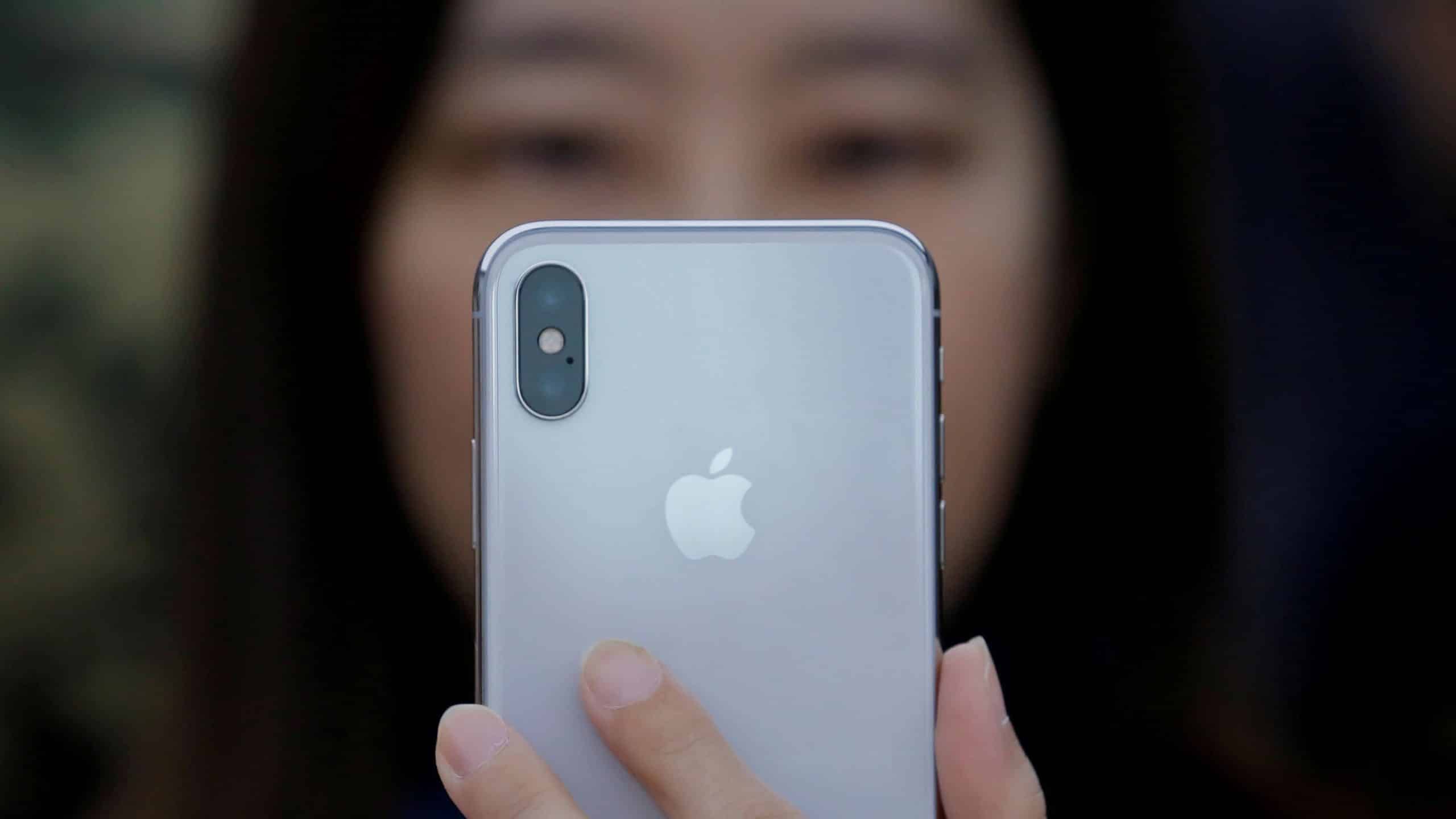
After being the bestselling smartphone in China, the premium iPhones are now losing market share in the largest smartphone market in the world. To retain the customers, retailers in China are offering huge discounts as the sale of these iPhones is struggling throughout the country.

As per the customers and experts, the phones are really expensive than it should be and it also lacks innovative features like its competitor Huawei is offering. The technology giant also admitted having predicted lower sales of iPhones for the next year owing to slash in demand and the ongoing trade war between the U.S. and China. And the lowering demand in China would definitely result in a bad revenue set up for the coming quarters for Apple.

Chinese biggest iPhone retailer Suning changed the price of the 128GB version of the iPhone XR from 6,999 yuan ($1,036) to 5,799 yuan ($858) — a 1,200 yuan ($178) discount. Other third-party sellers are even offering cheaper iPhones by flash sales. One seller was selling a 256GB version of the iPhone XS Max, Apple’s most premium device, for 9,699 yuan ($1,436), way below the U.S. firm’s official selling price of 10,999 yuan ($1,628) for that smartphone.

Yet, the selling prices of these phones are way above than the selling price of iPhones in the U.S. This particular iPhone XS is sold at $1249 in the American market.

An Apple reseller, Sunion, was advertising 700 yuan off for both the 128GB and 256GB versions of the iPhone XR. Pinduoduo, an e-commerce site is selling these phones through third-party sellers after a huge discount.

The issue with Apple products in China has two answers as per the consumers. First, it has bad pricing. The iPhones are too expensive with respect to its features, and it is not bringing innovative features to the phones as some local brands are doing. Now, as per statistics, much market share of Apple has been lost to other competitors in China.

Pricing Issue-

The price of the iPhones across all the models in not only China but also in any Asian market is way above than the price in the United States. For example, Apple’s 512GB iPhone XS Max, the most expensive of the new models, costs $1,499 in the U.S. But in Asia’s largest economy, the un-discounted price is 12,799 yuan, or nearly $1,900 — this about 26 percent premium on a single phone. And the same way iPhone XR, which was expected to be the cheapest of all iPhones, is also sold at a 28 percent premium in the Chinese market.

But, Apple has blamed the rising trade war between the two largest economies for this slump in demand in China. But, experts say the trade war is just an eye-wash, but the real issue in the Chinese market is its pricing.

It is time for Apple to identify the real issue and declare competitive pricing for the phones. But, as of now, Apple has no plans to slash the price anymore in the Chinese market. It also said that the company’s offer to upgrade iPhone 7 Plus with iPhone XR is also not very successful in China as customers feel that the new phone lacks any new thing or any new inventions.

Huawei-

Though the brand has been on the news for wrong in the international market, the business of Huawei is growing like anything. This has now become the second largest smartphone seller in the world replacing Apple. It is next to only Samsung, the Korean giant.

As per the Chinese consumers, Huawei is offering the newest of features, and they feel a certain sense of connectedness in buying smartphones of the local brand. Huawei phones are cost effective and offer popular features like triple lens camera and on-screen fingerprint scanner. The brand’s flagship phone P20 Pro has taken much interest of the buyers not only in the Chinese market but also in the international market.

The upgrade-

Apple also has not been very prompt to bring upgrades to its phones. Huawei and Samsung have announced that they would bring 5G technology by the end of 2019, but Apple does not seem to bring the high-speed internet technology by late 2020. Major Chinese telecom providers like China Mobile and China Telecom are planning to roll out 5G technology by the end of 2019.

There are lot many dimensions to the poor sales of the iPhones in China. Though the pricing is a major issue, the trade war also seems to be a big factor in this. For the betterment of the global trade, the trade imbroglio should end at the earliest. After all, it is the globalization which has made the best of the many western countries, and the same opportunity should be given to other Asian countries now.

Company News

Goldman Sachs has predicted to see low growth in earnings for the United States in 2019. So, terming it as a disappointment, it advised its clients to stay away from the companies most dependent and leveraged to economic growth.

In a research report, it had warned its bullish investors that the corporate profits of several big consumer brands might dip this year and investors have been advised to keep their expectation on that line.

David Kostin, the chief equity strategist for the firm, noted in the report that Weak guidance from several big companies such as Apple and Macy’s had increased the focus on S&P 500 earnings growth. He also added that the earnings had been the vital point on U.S. equities for the year 2018, but there is no doubt over continuing the same for 2019.

Fourth quarter results about earning are about to come, and it had expected to have a growth of about 22 percent all over from the previous year. The much-hyped tax cut might be one reason for this whooping growth. But, this is never happening in 2019. For the first quarter of 2019, companies are worried about the sales trend and profit earning trend. The whole world is experiencing slow growth, and it is not different in the United States as well. Due to low demand, the companies’ profit earning may get decreased.

As of now, Goldman’s expectation from the market to grow for the whole of 2019 is at 6 percent. Here the market specifies to S&P 500 companies. But, as per some economists in Goldman as well, this figure seems very ambitious.

The note states the recent developments in the macroeconomic landscape have the potential to drive up to $5 of potential downside to our 2019 EPS (earnings per share) estimate (to $168). The note also says that the prediction by its economists is an average annual real GDP growth of 2.4 percent for the US (-20 bp vs. baseline) and 3.5 percent for the whole world (-30 bp vs. baseline).

The crux of the whole story is the earnings growth per share this year can come down to as low as 3 percent this year after considering additional factors such as a stronger dollar and falling oil prices.

It also has advised its clients to decide for themselves whether they will keep on bidding on certain stocks after the low performance in the fourth quarter of 2018. The S&P 500 is up just by 3.6 percent so far in 2018 after a gain of two weeks only. Macy’s has posted its worst trading day in the last quarter, yet its stocks are high. And the tech giant Apple has already made it clear that it would make fewer iPhones for 2019 owing to a trade war and low demand in China.

Moreover, Goldman – one of the Top Wealth Management Firms is advising its client to be cautious as overall economic and earnings growth expectations are getting dipped. It is recommending its clients to stay away from the stocks which have betas to economic growth, like the materials and industrial sectors.

News

Chinese premier Li Keqiang has stated that the tax cuts in the country are intended to boost employment and foster economic stability. China had introduced a series of measures to cool its economy in 2018 and is expected to roll out more of such support measures in 2019 to combat any risks for a steep slowdown in the economy.

As per the Chinese governmental website, premier stated that all tax cuts are directed at small and micro enterprises for creating more employment. China is scheduled to lower the taxes for small businesses.

Background

China had come up with new tax cuts for businesses last year to support growth and keep the economy afloat as the fears of a trade war with the US grew. As the tensions between two of the greatest world economies soared, Beijing kept up its infrastructure expenditure and continued to assist smaller businesses as the Chinese economy cooled. The government had stated that it would follow an active fiscal policy to help the businesses in their struggle with a liquidity crunch and a fall in demand.

Taxes play a dominating part in the Chinese economy- a position which has been further augmented due to the growing uncertainties both at home and abroad. The country has managed to keep the tax policy and reform in sync. The government had merged the central and local tax departments for the ease of taxpayers. The reduction in taxes helped bring the enterprise cost down which was a great boost to the private businesses whose fate was in limbo due to increasing costs and new challenges of the market. The government thus planned more tax cuts and increased in fee reduction reforms for the prosperity of the private sector.

The private sector has a great role in the Chinese economy, and thus any tax policy should aim at the promotion of the equality principle. The private sector involves SMEs, micro businesses, hi-technology companies, etc. Tax cuts can definitely economic woes of the private sector enterprises, but there are other issues also facing the sector. These include the difficulty of the process to get loans and also other administrative hurdles and charges. Thus, merely lowering the VAT will not serve the purpose unless other related charges and policy-hurdles are also addressed. In addition, to the governmental boost, the private enterprises have to do a thorough overhaul and focus on innovation and research which is the life-line of the sector. Innovation breeds new vigor and vitality to the business. There is an increased need to work on the core-competitiveness of their businesses. This is essential for holistic development of the private sector.

Political News

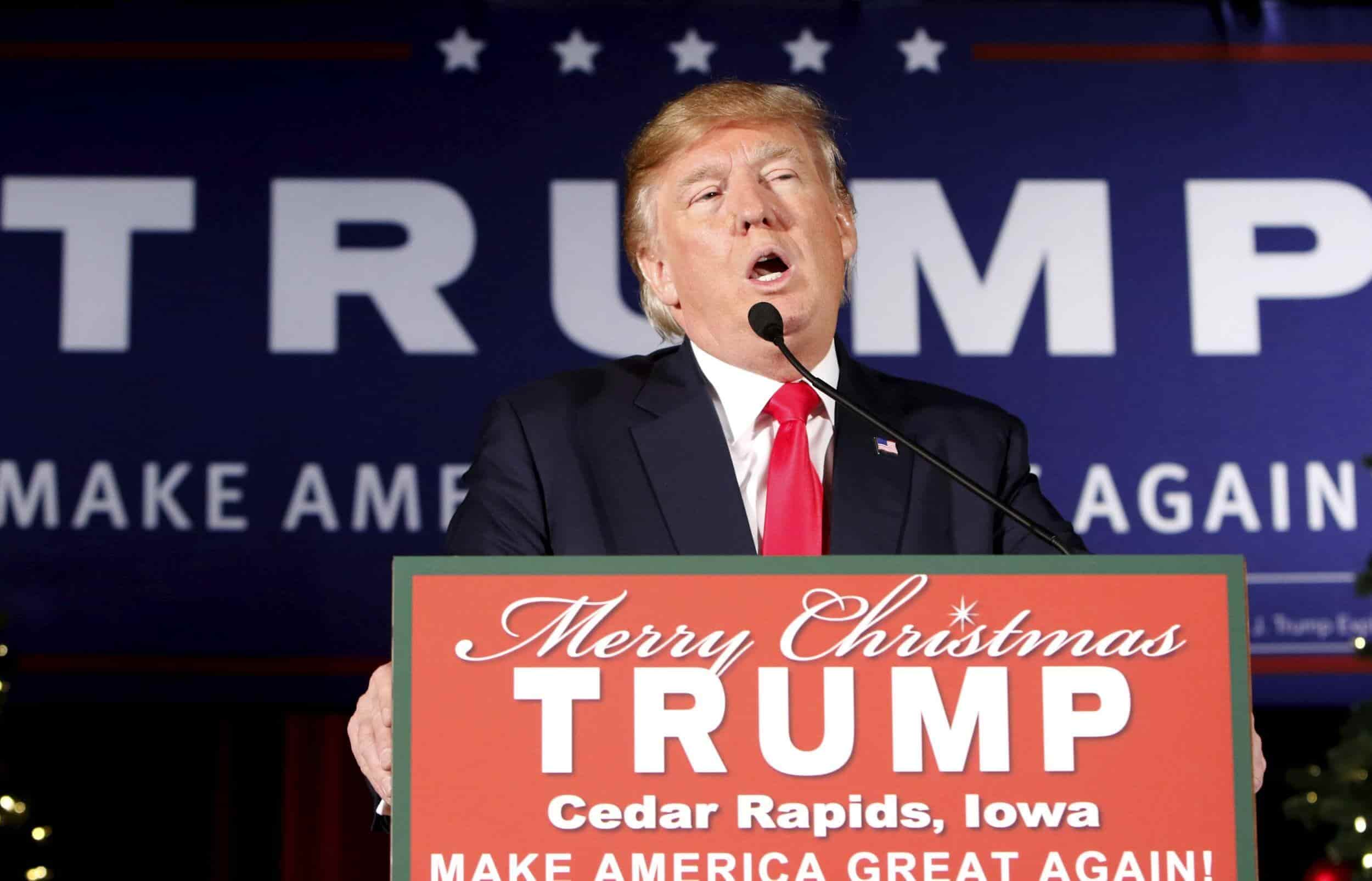
United States president Donald Trump has threatened to declare an emergency to fund the US-Mexico border wall. This is Trump’s escape route to fund the project as there is mounting pressure to end the three-week long impasse. Parts of the government has not functioned, even though workers are reporting to work and that has left tens of thousands of them without a paycheck.

The President when asked to comment on the difficult situation some 800,000 workers are in due to unpaid paychecks, he sidestepped the question and was quoted as saying he felt bad ‘for people that have family members killed’ by criminals who come from the Mexico border. Speaking on Thursday from McAllen, Texas, he highlighted the drugs and crime and called it a crisis. He also said that if the agreement does not come through and Congress does not approve the $5.7 billion needed for the wall, he will declare an emergency.


Is the situation really that bad?

Does it warrant an emergency is what most people are wondering? According to Trump, yes. He has called the flocking of migrants from across the border as a humanitarian and national emergency. Trump also said that criminals, drug and human traffickers and all those coming into the country and that there are certain things that are happening that people would not want to know. But there have been multiple studies conducted by think tank Cato Institute and social scientists and found no evidence that illegal immigrants are likely to commit crimes. In fact, those studies showed that they are less likely to do an offense than a US citizen and legal immigrants are even less likely to do any crime.

Can emergency be declared?

Yes, Trump has the power to declare an emergency to build the wall as he had promised. He has been consulting with various allies and attorneys in the White House about using those powers to make the building of the wall possible. As per Trump, his lawyers said that his action is legal and if there is scrutiny he would come out of it unscathed.  

The Congress, on the other hand, can reverse the decision made by the President if both chambers approve. But the challenge is that the Senate has a Republican majority and thus quite difficult to overturn. The decision can lead to many challenges in court.

The government shutdown is slowly inching to a record of the longest closure since 1996, and that does not look good for those who are hoping for a quick end to this situation.