Company News

Indian commercial vehicle giant Tata Motors has announced that it, along with Tata Motors Finance, will be entering into a strategic tie-up with Kool-ex Cold Chain Limited, a leading pharma cold chain logistics service provider, to supply 200 factory built reefer trucks. It will be a first of its kind transaction for both the companies.

This unique tie-up will see Tata Motors manufacturing specially built reefer trucks which will be pharma compliant. It will be a one-stop solution for Kool-ex Cold Chain and will be covered under the Tata Sampoorna Seva umbrella of value-added services. The project will be funded by Tata Motors Finance Group with a mixture of equity and debt, making it a single window transaction. In a statement, the company stated that these reefer trucks would be built on the popular Tata LPT 1613 MCV and Tata LPT 2518 multi-axle trucks.

Kool-ex has been one of the most loyal clients of Tata Motors for the past sixteen years. The company is all set to become one of the largest pharma cold chain logistics players in the country, and this partnership is being considered as a stepping stone in the journey. The company will also be shortly entering in the cold chain warehousing segment, with its first commercial project expected to materialize near Pune, making it a completely integrated 3PL cold chain logistics service provider.

Kool-ex Cold Chain Director, Rahul Agarwal, has said that Tata Motors has been an integral part of the Mumbai based company since its inception. He further added that Kool-ex is strategically expanding its product portfolios and reinforcing its expertise in various segments to cater to growing customer requirements. Agarwal also said the company believes that specialized needs of the ever-expanding e-commerce and cold chain industries will give birth to newer opportunities for niche organized logistics players in the near future.

Commenting on this collaboration, R T Wasan, marketing, and sales head, Tata motors CVBU, stated that as the leading commercial vehicle player in the industry, Tata Motors aims to work closely with its customers and to offer them appropriate solutions for their transportation and logistics requirements. He also said that Tata Motors in association with Kool-ex has co-developed a fully built reefer unit. This will help meet sophisticated and rapidly growing logistics requirements of the pharma industry due to the anticipated changes in regulations concerned with transportation and storage.

Shyam Mani, Managing Director of Tata Motors Finance Group, said that the company was elated to be a part of this one of a kind collaboration to provide one-stop finance solution to Kool-ex Cold Chain. He informed that as a part of this tie-up, they will not only be providing vehicle finance through Tata Motors Finance Limited (TMFL) but will also provide mezzanine equity finance to the company through Tata Motors Finance Solutions Limited (TMFSL), making this a structured financing deal.

The announcement of this collaboration saw the stocks of Tata Motors soar by 4.45% to Rs 159.45. Last week, the prices fell by 29% after the company posted a Rs 26,960 crore loss in Q3.

Opinion & Analysis

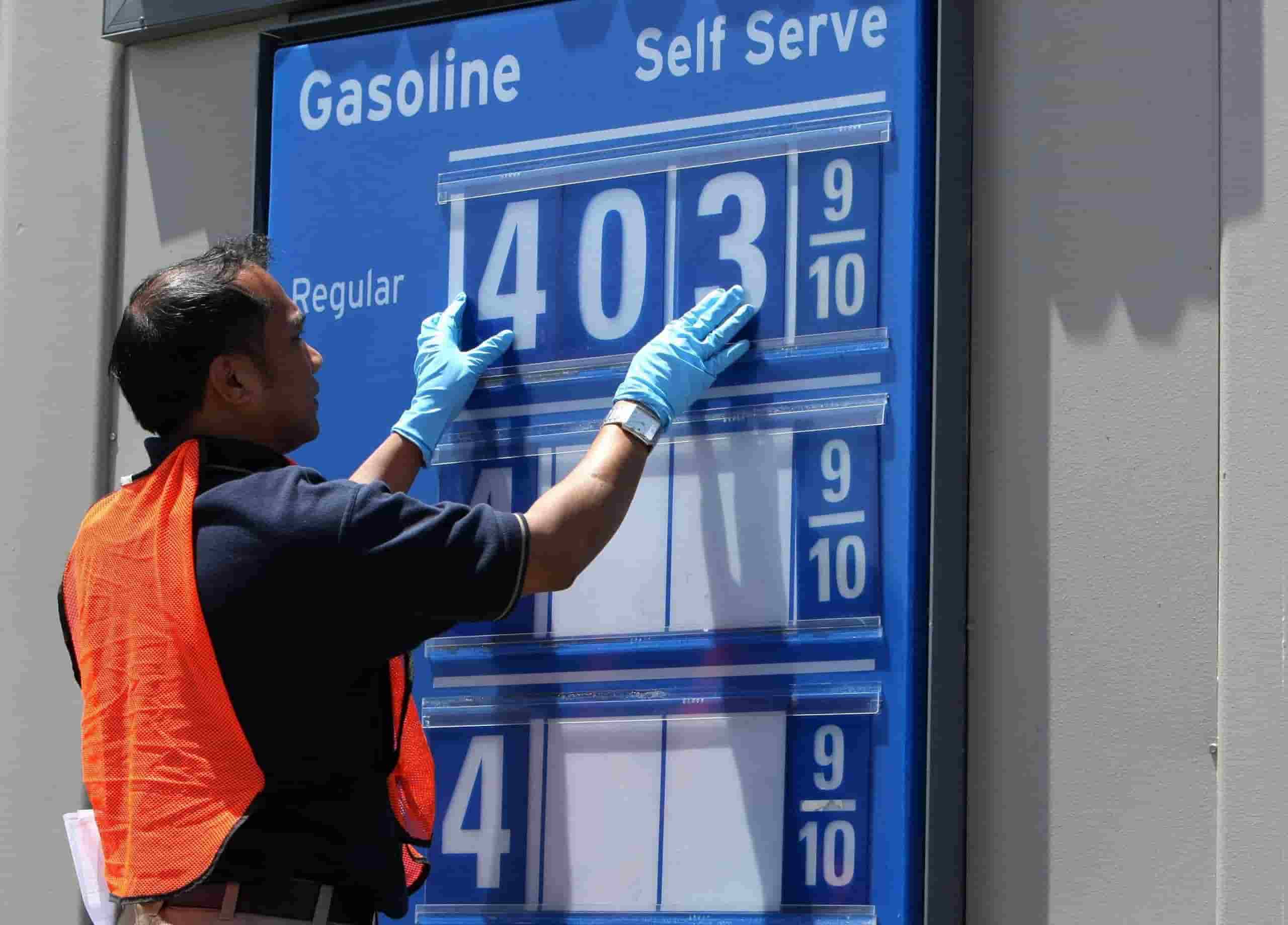
Consumer price rates were constant throughout January 2019 as lessened gasoline prices counteracted the effect of rising costs of housing, clothing and medical care.

The labor department said that the Consumer Price Index increased only 1.6 percent which is less than its increments in previous years. Last year, CPI increment was 1.9 percent.

The price hike has been tampered by 10.1 percent jump over the previous 12 months in prices at the gas pump. But the dominant part of the Index, which is housing expenses, have risen 3.2 percent.

When volatile energy and food categories are excluded, core prices get an increment of 0.2 percent for the fifth month in a row. It can be said that for the third consecutive month, core prices were 2.2 percent up as compared to the previous year.

Clothing costs got the largest gain in the previous 11 months. It jumped 1.1 percent every month. Moreover, medical care services increased 0.3 percent which was quite close to housing costs increment every month.

Inflation is still in its average form instead of a tightened labor market. Furthermore, this tightening of the labor market is the result of gradually slowing of economic growth in countries like China and Europe. Ultimately, this moderate form of inflation and slow economic growth of these countries are helping in lowering the oil price rates.

Gasoline prices dropped 5.5 percent in January 2019. Also, Gasoline price rates fell 5.8 percent in December. Moreover, food price rates got a hike of 0.2 percent in January month of this year. Though, food price rates got 0.3 percent increment in December month of last year. Food utilized at home showed a 0.1 percent hike in the last month.

Residential rent, which is the money that a homeowner pay to rent or receives when he rents his home, got a hike of 0.3 percent in the last month. Though, it was 0.2 percent in December month of last year.

The Federal Reserve is looking towards various strategies to increase interest rates. Since inflation is at a lower level, there is less pressure on the Federal Reserve as it is continuously increasing consumer price rates in order to accelerate economic growth.

News

The slowdown in the Chinese economy has pretty much hit all industries across the world, and due to the drop in consumption, many industries which depend on exports have experienced a crippling slowdown. However, the storied wine and spirits industry in France seems to be existing in a different planet altogether as it has not only been unaffected by the slowdown but has in fact recorded record exports in 2018.

Not only was the Chinese economic slowdown supposed to be a big factor but the continuing Chine-United States trade was also supposed to be a factor. None of that, however, affected the French wine and spirits exports. According to data released by the industry exporters group Federation of French Wines and Spirit Exporters, the value of exports rose to 13 billion Euros.

The wine and spirits industry is France’s second biggest export after the aerospace, and the value of exports in 2018 rose by 2.4%, reflecting the fact that the country’s wines remain the biggest draw all across the world. Despite the slowdown in demand in China, the demand in other key markets rose sufficiently to allow for record levels of growth.

While the Chinese export number floundered, the exports to the United States, which has long been the biggest market, rose substantially. Exports to the US rose by 4.6% from 2017 and over the years, it has accounted for around 25% of all exports. The significant rise in the value of exports to the US has been the biggest reason behind the industry’s brilliant show in 2018. Back in 2017, the exports to China had grown by a whopping 24.5%, but in 2018, it fell drastically by 14.5%, and the total intake from the Chinese market fell to 1 billion Euros. That being said, exports to Chinese export hubs like Singapore and Hong Kong largely compensated for the drop in China. The chairman of the industry body FEVS, Antoine Leccia said as much, “Taking into account these hubs that are Hong Kong and Singapore, exports are almost stable.”

Despite the drop in productivity of wines, France’s most recognizable export, the prices increased proportionately, and that ensured that the overall export value of wines went up by 2.6%. The total value of wine exports stood at 8.9 billion Euros. On the other hand, the value of spirits exports went up by 1.8% and generated 4.3 billion in total sales, the bulk of which was made up of cognac sales.

Opinion & Analysis

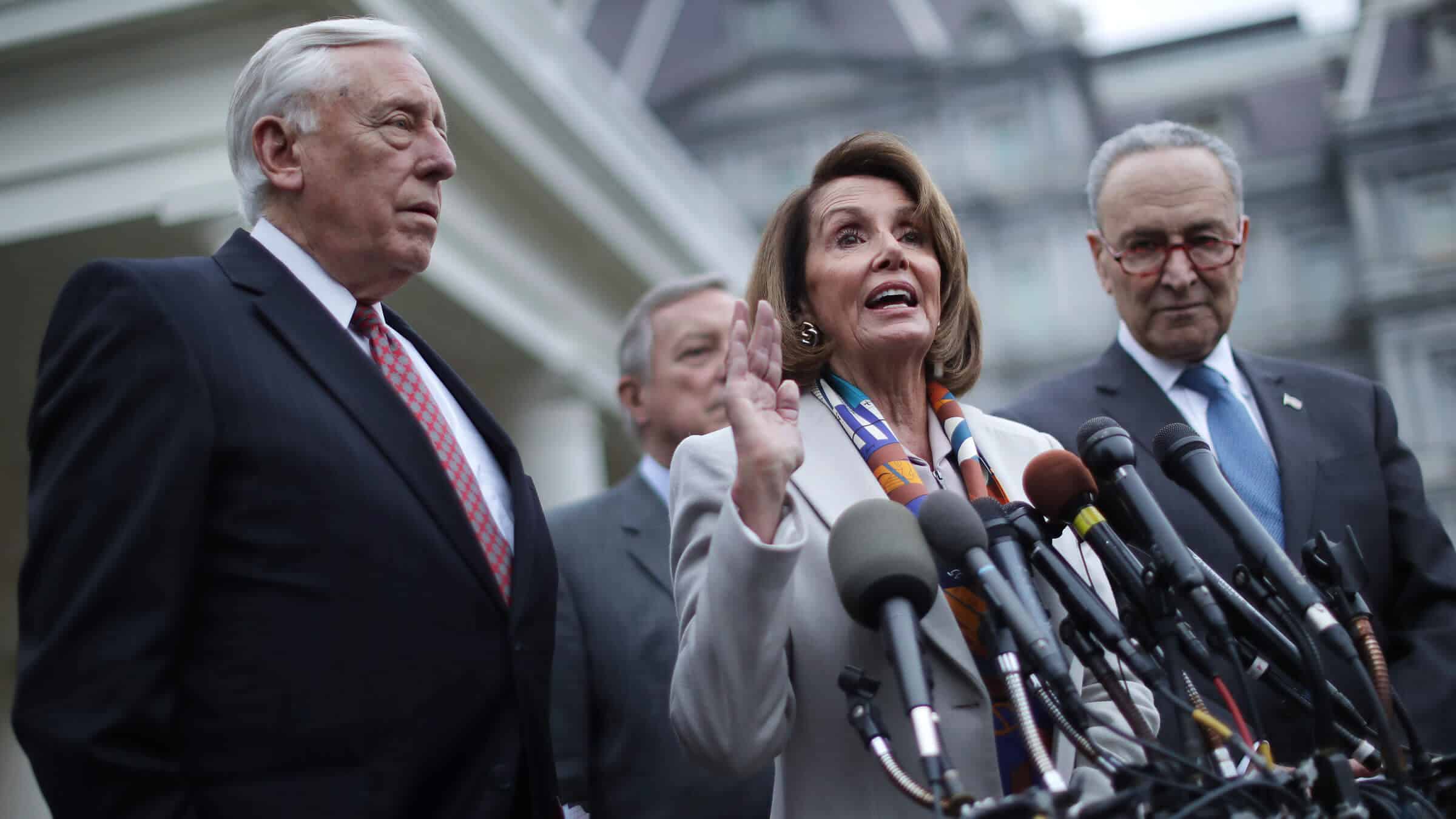
The United States is facing another partial government shutdown at the end of this week after negotiations aimed at extending government funding broke down over the weekend.

Talks between Democratic and Republican lawmakers on border security funding have ended in a stalemate, raising the fears of another government shutdown.

Democrats have critically planned to cap the number of beds at detention centers at 16,500.

Negotiators have also been looking at between $1.3bn and $2bn in funding for President Trump’s proposed border wall, which is a long way off the $5.7bn the president has been demanding.

“The talks have stalled right now. I am hoping we can get off the dime later today or in the morning because time is ticking away, but we have some serious problem to cope,” Richard Shelby, a Republican chairman of the Senate appropriations committee said.

Sen Richard Shelby, a Lead Republican negotiator, said, “The specter of a shutdown is always out there. I’ll say 50-50 we get a deal.”

Jon Tester, one of the Democratic negotiators, said there could be a little hope left for the deal. Also, speaking to Fox News, he claimed: “Negotiations seldom go smooth all the way through.”

California’s Democratic Governor Gavin Newsom said he would recall hundreds of the state national guard from the border, pushing back against the Trump administration’s call for Border States to help with security.

The departments of Homeland Security, State, Agriculture, and Commerce, including Federal Agencies, could drastically lose access to the money and begin to close down again, affecting about 800,000 federal employees, who would go unpaid.

The report says, during a shutdown, essential services continue to operate, with workers being required to show up. Last time, some employees continued to work unpaid as many others called in sick for the cause.

Negotiators have time until Feb. 15 to reach out on an agreement to stave off another shutdown. But the lawmakers are firm to insist on the practical deadline for any agreement, which is much earlier in the week.

The current negotiations have narrowed to the most difficult issues, with Democrats seeking to limit the number of detention beds, which was justified for undocumented immigrants while Republicans firmly believe in pushing the highest funding level for barriers they can get.

The impasse continued over the dollar amount for border fencing and other barriers, this Friday afternoon. Conservative lawmakers were constantly insisting they and President Donald Trump would accept something around $2 billion, which is far below their insistence on $5.7 billion, which triggered the shutdown in December. But Democrats quickly rejected that amount.

Trading News

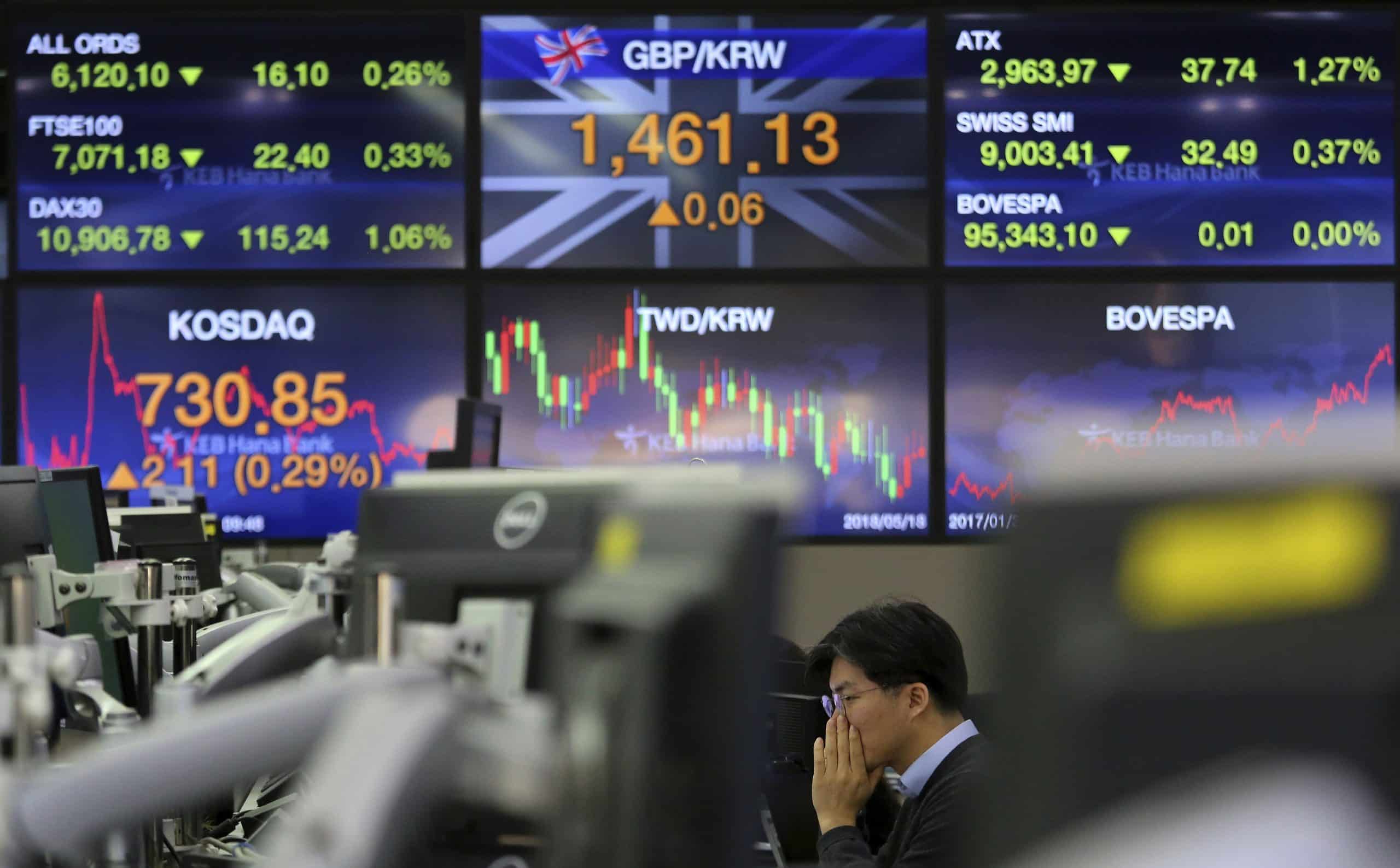
There is great optimism that the US and China will be able to come to a deal and resolve the seven-month trade war between both countries. Due to that sentiment, the stocks in the Asian markets which were fluctuating mostly in the negative side rose to a 4-month high on Wednesday.

At the market:

The Beijing and Washington officials are hopeful that the talks which will begin next week will bring them closer to deal over the trade war and that cheered the markets.

The Shanghai Composite which is China’s benchmark and CSI 300 which is a blue-chip rose to 0.4% and the Hang Seng of the Hong Kong market increased by 0.6%. Asian markets rose on indications from the Wall Stress where Nasdaq and Dow rose by 1.5% over the positive outcome of trade talks between China-US. Wall Street was also optimistic as the possibility of another government shutdown became less due to a tentative deal with the US Congress.

Asia-Pacific broadest index MSCI increased by 0.5% and reached its highest since October 2018. South Korea’s KOSPI rose by 0.5%. Meanwhile, Nikkei climbed by 1.3% to reach a two month high.

In the currency market, the dollar was shedding as investors in the hope of a deal between China and the US moved their money to assets that are riskier. The dollar after reaching a two week high stood at 96.69.

The Euro ended a little higher by gaining 0.5% from yesterday and ended at $1.133 surpassing the 3-month low of $1.1258.

The Reserve Bank of New Zealand confined the cash rate at 1.75% which is a record low and highlighted its neutral stance. The Kiwi dollar increased by 1.4% and reached a one week high of $0.6829.

The dollar was steady at 110.57 yen.

Another major development that happened overnight in Wall Street is that the Cboe Volatility Index dropped to its lowest in more than four months and was at 14.95. The yields of the government bonds rose due to the risks being averted for the time being. The 10-year bonds of the US Treasury increased to a high of 2.694%.  The US crude oil futures also increased by 0.1% and was at $53.64 per barrel after it rallied at 1.3% on Tuesday.

There was an increase in oil prices as the data published by OPEC showed that there was a reduction in oil production in January. Moreover, Saudi Arabia which is a leading member in OPEC said that it would cut its output in March additionally by 500,000 barrels.

Company News

A US court has rejected the demand by two civil rights groups for the release of documents by Facebook to decrypt the conversation that an MS 13 gang had on Facebook’s messenger app. On Feb11, the US judge rejected the demand, the issue came up after a joint investigation by the Federal and state investigation agencies wanted Facebook to decrypt the voice conversations the MS-13 gang had on their Messenger service. Facebook uses end-end encryption to protect calls from being intercepted. That essentially means only the two conversing parties will only have access to it and nobody else can intercept it.

All telecom companies in the US have to give access to calls to the police under its Federal laws, but those apps which use the internet are exempt from it. Facebook claims that its Messenger app also falls under that exemption. The filings made by the two civil groups and the public filings in the Fresno case states that the government intercepted all ordinary phone calls and texts that happened between the MS-13 gang members and the affidavit says that only a few Messenger calls were not heard. Despite not hearing the conversations, the gang members were arrested.

Many groups which include the ACLU or the American Civil Liberties Union contend that the public had the right to know the laws on encryption and it outweighs the reason the Justice Department may have for a criminal probe. Even the Washington Post filed a brief to decrypt the records. The US judge in Fresno Lawrence O’Neill judged that the documents were sensitive and that it would not be possible even to release the revised version of it as it is a sensitive law-enforcement technique. He addressed that ‘The materials at issue in this case concern techniques that, if disclosed publicly, would compromise law enforcement efforts in many, if not all, future wiretap investigations.’

The arguments made by Facebook and the Justice Department to ACLU’s statements are kept as a secret, but the judge in his statement wrote that Facebook had supported the ACLU’s request to release the documents with some revisions while the Government was against the decision. Both the US Justice Department and Facebook have declined to make any comment publicly about this case as the court has passed a gag order against speaking in public. However, there have been reports of investigators failing to convince Facebook in a courtroom to wiretap specific messenger calls.

Trading News

Eveready, one of the biggest manufacturers of flashlights and dry cell batteries, has been put on the market by India’s Williamson Magor Group due to a pile of debt that has crippled the holding company of the group. According to a report in India’s Economic Times, the fight for the controlling stake in Eveready is going to see be an intense one, and it is interesting to note that two American heavyweights, Duracell and Energizer, are both vying for it. However, what places Energizer in a far better bargaining position is the fact that the company already owns the Eveready brand in key markets like the United States and China. They are, without a doubt, in pole position.

That being said, Duracell is going to mount a serious challenge to their bid, according to sources that are familiar with the matter. The fact that Warren Buffett’s Berkshire Hathaway is the owner of Duracell also makes it a very interesting duel. Other than the two American companies, major private equity companies are also in the running for the controlling stake. Among them are India private equity outfit Kedaara and global giants like KKR and Blackstone. Eveready is an incredibly attractive asset, and the interest among investors is palpable.

The Willamson Magor Group, which has interests in a range of business, is led by the Khaitans, an Indian business family and as of now, they own 45% of the shares in the company. Having been saddled with debts to the tune of around $140 million in the group, the Khaitans now want to sell off their stake in Eveready, and they have contacted Indian bank Kotak Mahindra to look for buyers. Any bidder who manages to get his hands on 45% of the shares owned by the group will also have the option to enforce a clause by way of which they can acquire a further 26% stake in the company.

All bids are going to be sent in this week and out of those a set of entities will be selected. Once that is done, a concrete offer can be made. Everyone who is close to the developments refused to comment on the issue. Spokespersons for Eveready refused to comment, while it was the same with Duracell, Energizer and private equity players KKR and Blackstone. A source, however, pointed out that the Khaitan family might retain a stake of around 10% to 15% following the sale. He said, “They are flexible and are looking at all options and will take a final call based on the final offers on the table. There is significant traction for the asset for its scale and brand equity. Expect a 30-40% control premium to the current market price.” 

News

With an election looming this year, the senior citizen population in Singapore are going to get a generous package in the upcoming budget, according to analysts familiar with the matter. The population in the country is getting on in age quite fast, and the budget is possibly being framed with one eye on the election. Although taxes in Singapore are low, living costs have continued to rise in one of the world’s biggest financial hubs, and consequently, the senior citizen population has been forced to work well past the conventional retirement age. This situation has led to a lot of anger and resentment on the part of the elderly, which is why the upcoming is going to be quite a generous one for the section of the population.

The Singaporeans born in the 1950s or the so-called ‘independence generation’ has been chosen for special treatment this year as the country readies itself for an election this year. Direct benefits transfer and rebates have been part of budgets in election years before, but this is possibly going to be different. As the country clamps down on immigrant labor, the need to keep the senior citizens in the workforce is more important than ever. Life expectancy stands at 83 in Singapore. Additionally, birth rates are falling as well and hence, the provisions for the elderly in the February 18 budget is not a huge surprise.

Other than direct or indirect benefits, the Singaporean government is also going to unveil plans to launch drives that will help senior citizens in different industries in enhancing their skills. Before the elections in 2015, the government had announced a scheme by way of which pensioners with low income were going to get regular payments from the government. Additionally, an S$9 billion scheme was launched to take care of the healthcare costs of senior citizens, and according to analysts, such a scheme could be introduced in the upcoming budget as well.

Although there is widespread concern about the rise in public spending in a low tax country like Singapore, analysts believe that the country has enough legroom to continue with their spending and much of that has to do with the fact that the country has recorded a fiscal surplus over the past three years. The total fiscal surplus stood at S$19 billion, and it is no surprise that the lawmakers are comfortable with this initiative in this year’s budget. Barnabas Gan, who is an economist at United Overseas Bank, said, “Notwithstanding the prospect of a pre-election budget, the need remains for Singapore to stay business relevant and education supportive amidst the ongoing uncertainties in the global economic space.”

Opinion & Analysis

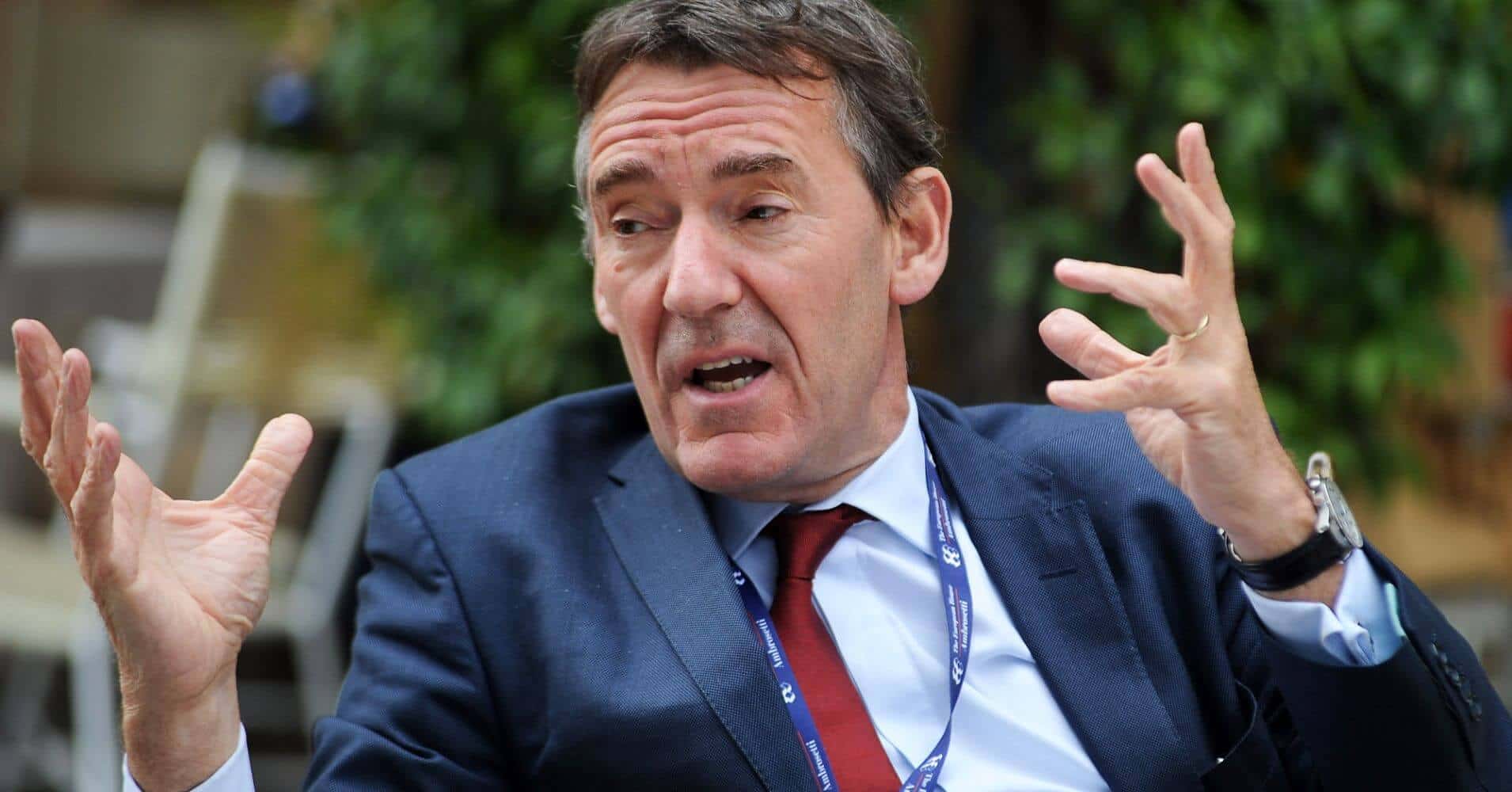
Former Goldman Sachs Chairman Jim O’Neill has told in a recent interview that the single most important thing in today’s world economy is reviving the Chinese consumer.

As per Chinese official statistics, the country’s growth has been slowed down to 6.6 percent in 2018, which is slowest in the last many years. The country’s on-going trade war with its biggest trading partner is also affecting China’s economy. The trade war coupled with slower growth is impacting China’s plan to have a transition from a manufacturing and export-led economy to a consumer-driven model.

O’Neill who now acts as chair of Chatham House, an international affairs think-tank, told that he was not at all surprised that the growth figures of China have dipped.

He said, “People shouldn’t be freaking out, the demographics have turned.” He also added that Beijing had planned some of the reduction in Chinese growth.

The former Goldman Sachs supremo said though the Chinese growth of 6.6 percent is slowest in almost last three decades, its year-on-year growth is still equivalent to the GDP of Australia.

However, O’Neill also noted one area where Chinese officials are struggling as far as the economy is concerned.

O’Neill said, “The one thing that does bother me is the Chinese consumer is slowing, that’s not supposed to happen, and the single most important thing in the world economy is the Chinese consumer slowing down.”

Brexit-

As per O’Neill Brexit also have similar if not equal impact on the world economy as it will impact both the United Kingdom and the European Union. As Britain has only 50 days to leave the European Union, the relations between the two parties have dipped after EU Council President Donald Tusk suggested on Wednesday there would be a “special place in Hell” for Brexiteers who had still offered a no-exit plan.

O’Neill told in an interview to CNBC that the rhetoric was perhaps “a bit surprising by Brussels leadership standards,” who were “normally extremely diplomatic,” but did not come entirely out of the blue.

He said, “It doesn’t look like the Brexiteers have thought about Irish border question at all, so kind of not surprising so for Brexiteers to feel a bit of their own general aggressiveness, you know they are not the only guys that can be mean and tough.”

As per him, Brexit with a no deal from the European Union has a meager chance.

He also added there had been signs that U.K. Prime Minister Theresa May, who visits Brussels Thursday, looked to be trying to weaken the resolve of the hard-core Brexit elements in her own party to get a withdrawal deal struck.

He said, “I wonder if the PM is trying to play a sort of Machiavellian game, she is sort of trying to split the hardcore Brexiteers, and she has sort of dragged them to a slightly different position.”

News

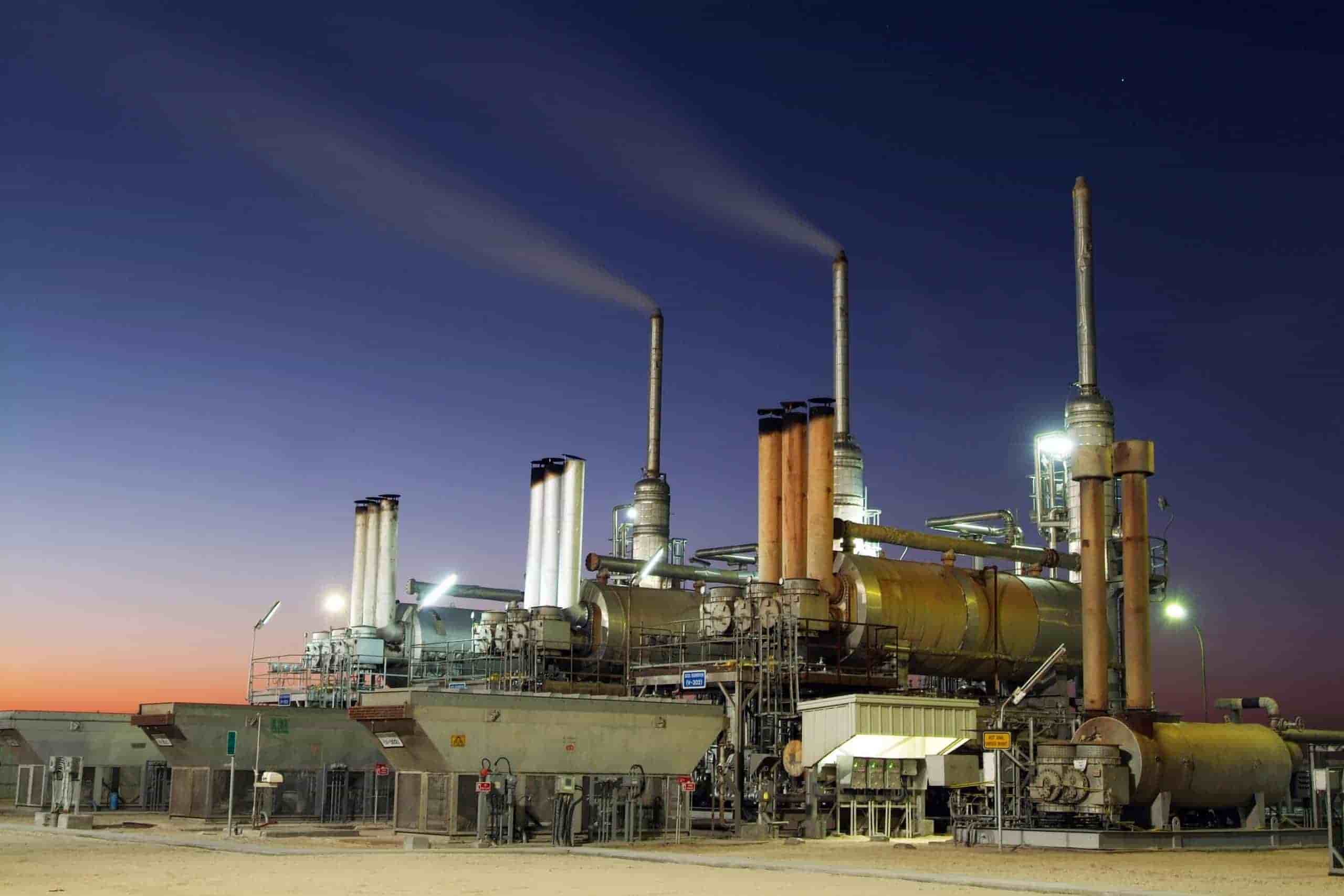
Taking advantage of India’s growth story and exploring third country joint Projects. Kuwait is aiming to double its investment in India from the current five billion dollars.

As per sources, The Kuwait Investment Authority (KIA) has currently invested five billion USD and plans to double this. Kuwait also is aiming to enter into third country joint projects on the lines of joint Kuwait-Japan investments in third countries.

Recently India and UAE have joined into a third country project with the African nation, Ethiopia. India also has plans of having a similar partnership with Saudi Arabia.

As far as history goes, India and Kuwait have a vibrant trade relationship. India has been consistently one of Kuwait’s top ten trading partners. As per the 2017-18 statistics, Kuwait was the ninth largest oil supplier to India, and it meets about 4.63% of India’s energy needs. According to India’s External Affairs Ministry’s brief on India-Kuwait relations, “India is looking for a substantial Kuwaiti investment in the oil & gas sector. Large business houses of Kuwaiti also have investible surpluses.”

As per India’s MEA, total non-oil bilateral trade between India and Kuwait increased by about 11%, from $ 2,150.63 million in 2015-16 to $ 2,405.40 million in 2017-18. India’s non-oil exports to Kuwait are experiencing a positive trend for the past few years. In 2017-18, non-oil export from India to Kuwait increased by about 19.60%, from $ 1,240.54 million in 2015-16 to $ 1,361.06 million.

The MEA brief added total bilateral trade with Kuwait during 2015-16 was $ 6.2 billion. India’s exports to Kuwait grew by 4% ($ 1.24 billion) in 2015-16 with respect to 2014-15. India’s exports to Kuwait included food items, cereals, textiles, garments, electrical and engineering equipment, machinery and mechanical appliances, cars, trucks, buses, tires, chemicals, jewelry, handicrafts, metal products, iron, and steel, etc.

However, Kuwaiti investment in India has been largely through portfolio managers indirectly. In 2015, KIA announced an investment of $ 300 million in GMR Infrastructure Ltd. According to the MEA brief, earlier, in October 2015, KIA made a substantial investment in the Interglobe Aviation’s (Indigo Airlines) IPO.

The MEA brief states, “In 2013, KIA had made an investment of $ 5.37 million in the Power Grid Corporation of India Limited, other significant Kuwaiti presence in India includes those by Alghanim Group of Kuwait; the KAPICO group; National Aviation Services; Agility Logistics, Hasibat Holding Co, KGA Group, KCIC, KIPCO, Global Investment House, Kuwait Finance House among others.

The brief added, “India related funds launched in Kuwait include India Fund (October 2005); Tijari India Fund (December 2006); India Equity Fund (January 2007); Kuwait Indian Holding Company; 3rd Real Estate Islamic Fund (May 2007); and Mayur Hedge Fund (August 2008), hydrocarbon sector, Kuwait remains a reliable supplier of crude oil &LPG to India, meeting our crucial energy needs.”

Many Indian PSUs like TCIL, LIC, New India Assurance Company, LIC Housing Finance, Oriental Insurance Company, Air India Ltd. (Air India and Air India Express) have opened their offices in Kuwait. In the last couple of years, companies like Larsen & Toubro, Shapoorji Pallonji, Dodsal, Punj Lloyd, Simplex Projects, Essar, Kalpataru, etc. have been awarded EPC projects worth over $ 6 billion in Kuwait. The Energy & Resources Institute (TERI) is executing Kuwait Oil Company (KOC)’s project of soil remediation worth $ 39 million.

As per IMF estimates, Kuwait’s nominal GDP for 2016 was $101.524 billion, and GDP per capita in terms of PPP was $70165 in 2015. Kuwait’s Sovereign Wealth Fund is above $592 billion, and it is managed by the Kuwait Investment Authority (KIA). The brief also added these assets are held in 2 state-owned sovereign funds: the Reserve Fund for Future Generations (RFFG) and General Reserve Fund (GRF) to which Kuwait has been transferring 10% of its total revenues from October.

The MEA brief informed, “It is understood that in June 2017 KIA invested US$ 87 million invested as a consortium along with Nomura in Wells Fargo, HSBC in AU Small Finance Bank.” It further added, “also in June 2017, KIA was one of the 15 Anchor investors who participated in the IPO of Dixon Technologies, a Noida based Electronic manufacturer, they bought shares worth Rs 12.5 crores ($ 2 million), Kuwait’s National Petroleum Services Company (Napesco) opened their first company in India, Napesco India, a limited liability company with a capital of about Rs.50 million ($ 780000) at Chennai Special Economic Zone.”