Trading News

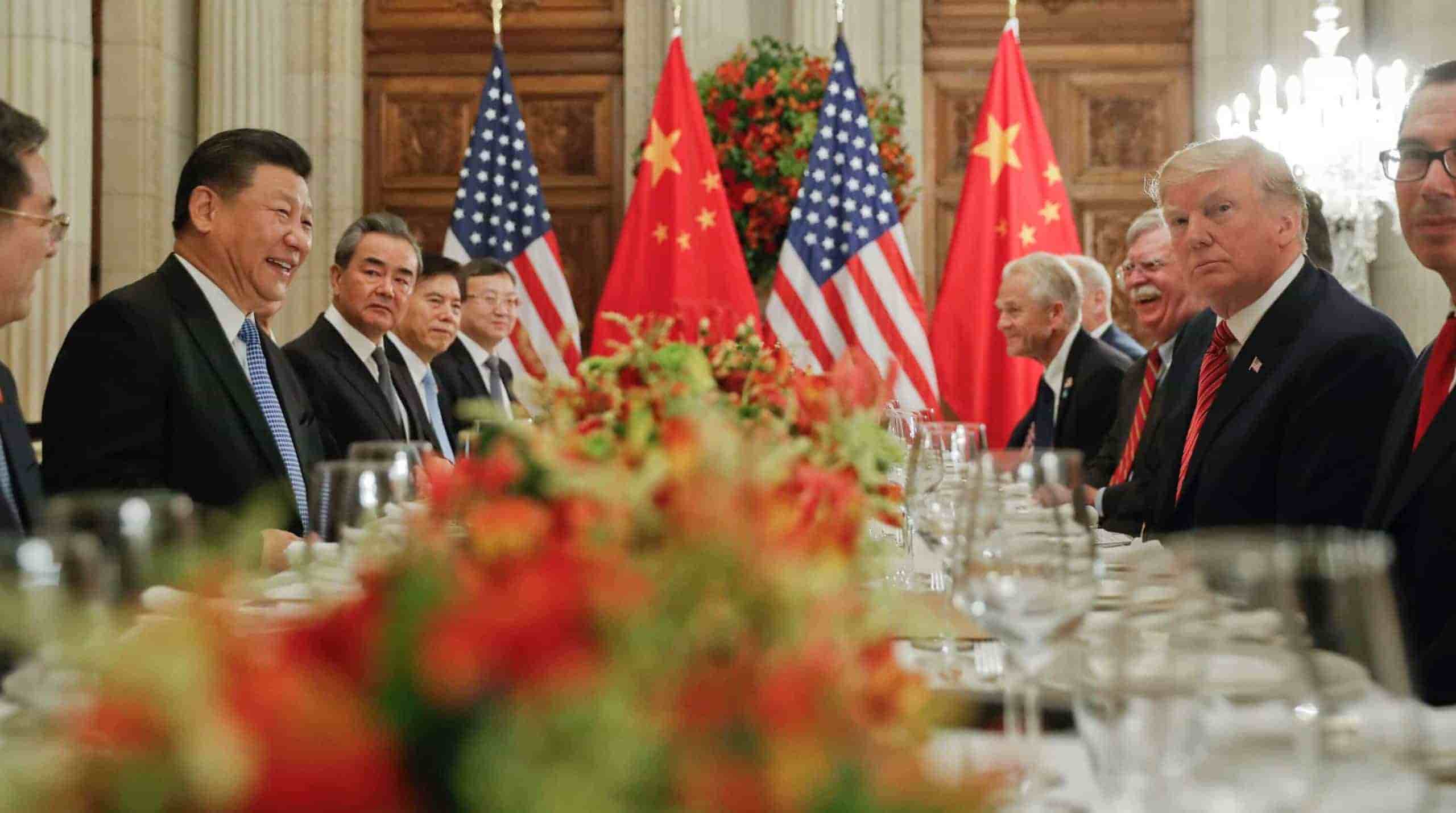
Oil prices were high on Monday in Asia, with a slight recovery from its last week performance. During the time, when the OPEC the manufacturer club, tightened its supply output, there were progressive ongoing trade talks between the US and China. The report suggests that both the countries were very close to reach out a deal which will eventually bring an end to the tariff issue which had led for the slowdown of the economic growth globally.

The International Brent futures at 0135 GMT were at 65.46 dollar, which was up by 39 percent from its previous close. At the same time, the US West Texas Intermediate (WTI) crude futures were high by 36 percent at 56.16 dollars.

The recovery in the oil prices was noticed when the reports mentioned that the United States and China were both were close to end their trade dispute which had impacted the global economic slowdown.

In the on-going negotiation between the US and China, President Trump and President Xi might reach out to a formal trade deal during the summit which is to take place on March 27, the report has mentioned that there were productive talks taking place between the two countries, the report was published by Wall Street Journal on Sunday.

This positive news gave the needed support to the market which had affected the production of oil cuts from the past two months.

The Reuters survey observed that oil supply from the Organization of the Petroleum Exporting Countries (OPEC) was down to almost 4 years low in February. The top oil exporters Saudi Arabia and its Gulf associates have out-performed on oil group supply. Meanwhile, Venezuela has registered a further decline in the output.

In the previous week, the oil prices were moving down due to a decline in the manufacturing index data which was noticed in both the countries and there was a rise in the crude oil output. On Friday, Brent crude oil fell down to 1.9 percent, as much as 3 percent for the whole week and WTI crude were down by 2.6 percent for the week.

The result of the on-going trade talks that were taking place from a very long time between the US and China will increase the oil prices, and the investors will also focus on the supply of crude oil. The progressive trade talk news has improved the market performance across Asia and has declined the gold and dollar rate.

Oil prices have been significantly driven by the US sanctions against OPEC members of Iran and Venezuela, which Barclays bank predicts to have further resulted in the reduction of 2 million BPD (barrels per day) in the global crude supply.

There are positive signs in the United States regarding oil production. They believe that crude oil production is growing high than of past years. While, the energy companies of US had reduced the number of oil rigs in the previous week so as to look for new reserves which was at the lowest as compared to 9 months because few oil manufacturers strictly follow on plans to cut the expenditure, even though there was a 20 percent increase in the crude oil futures in this year.

Barclays further say that the performance of crude oil might be repeated in the second half of 2019 and we truly hope for it especially for US oil output.

The US sanction against Venezuela and Iran, both the OPEC members have supported for raising the prices in 2019 starting from January 1, Brent crude oil has achieved around 17 percent, and WTI crude has nearly achieved 18 percent gain.

During this week, the American Petroleum Institute on supplies numbers will be noticed by the investors on Tuesday, and on Wednesday the report on stockpiles from the US Energy Information Administration. On Friday, Baker Hughes is intended to publish its weekly oil rings counts which are active in the US.

The production of US has been up from 2018 onwards to around 12.1 million BPD at the time when the OPEC members and few of its non-affiliated members like Russia had reduced its output by 1.2 million BPD so as to support oil prices. These OPEC cuts have supported for a decent fall in the oil prices at the end of last year.

Trading News

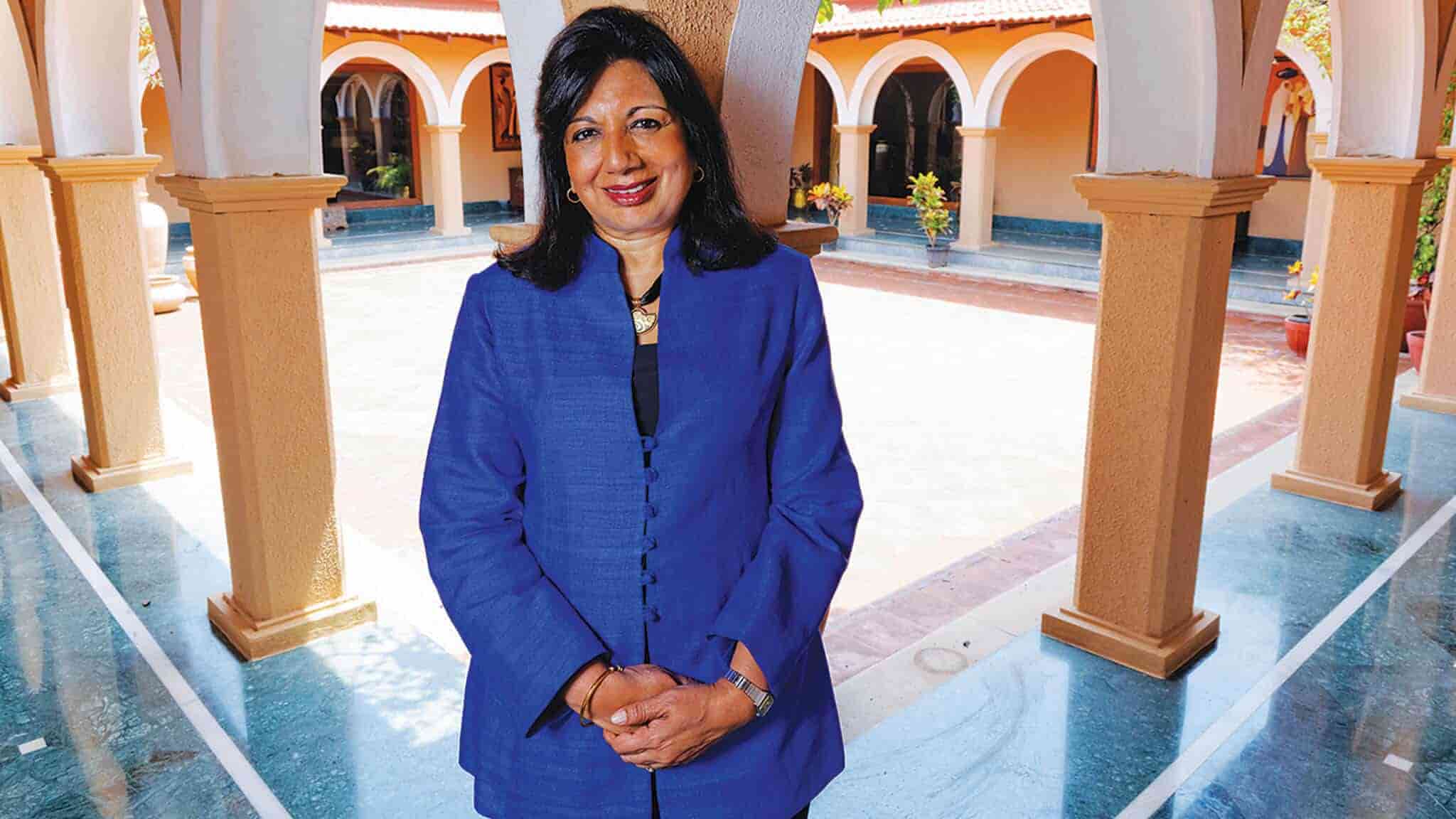
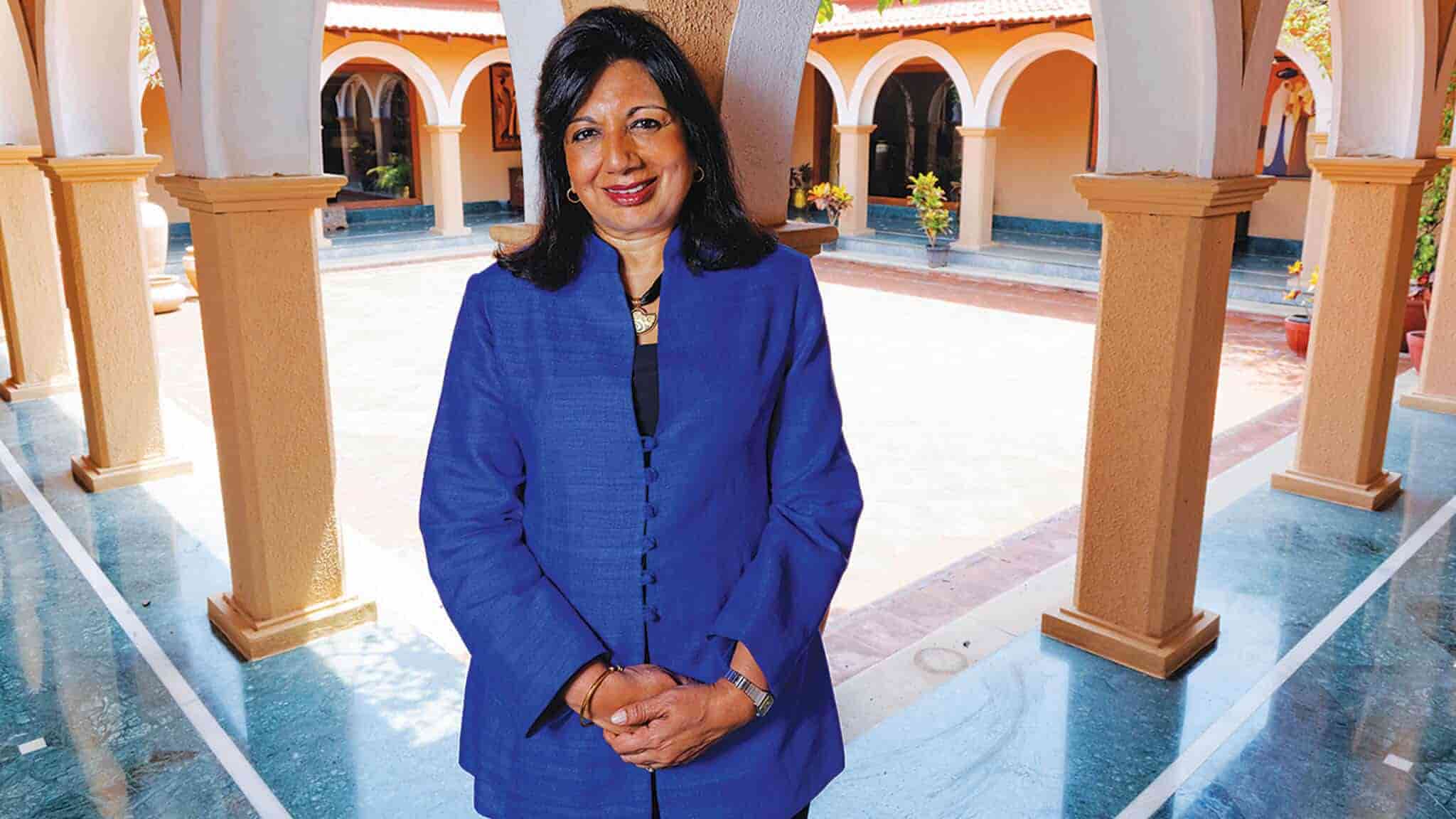
On Thursday, Infosys, the second largest IT Company of India has imposed a fine of 9.5 lakh rupees on one of its key independent director Kiran Mazumdar Shaw for selling 1,600 shares accidentally of Infosys during the trading hours. Infosys has mentioned it in on February 28 during its BSE filing. She had not taken any prior permission to carry out such a trade from Infosys board members.

In the filing of exchanges, Infosys has stated that even though the trade was executed by the portfolio manager without consulting Mazumdar-Shaw, there has been the violation of trading rules of the company under Trading Policy and violation of SEBI Regulations 2015 Act (Prohibition of Insider Trading).

Infosys mentioned in a filing that the trade was performed by the portfolio manager and Kiran Mazumdar-Shaw had no prior knowledge about it. There were no directions given by the company to the independent director to execute the trade, and she was even unaware of the trade that took place. The decision was singlehandedly taken by the portfolio manager, and he executed the trade.

In portfolio management services, the investors do not keep track of the various activities of the day and their investment decisions, and in this case, a similar thing happened with the independent director of Infosys Kiran Mazumdar-Shaw.

Kiran Mazumdar-Shaw had no knowledge about the transaction as a result of the process; she was charged with a fine of 9.5 lakh rupees. As of now, she needs to pay the penalty imposed by Infosys on her to a charity organization of her choice for violating the trade rule.

Regarding the case, according to the Infosys filings, the case was brought to the notice of the Compliance Officer of Infosys on February 13, 2019.

The Infosys Audit Committee has justified that the trade was unintentionally carried out and there was no intention to violate the insider trading regulations of SEBI and also of Infosys.

A similar case was noticed in January 2017 by Infosys, wherein Ravi Venkatesan- the former board member had accidentally purchased 50 shares of the company during the trading hour and had breached the insider trade policy of Infosys.

Relating to Venkatesan case, Infosys addressed that there were no guidelines given to the former board member to buy the shares of the company, which was carried out by his portfolio management services account and he too did not have any knowledge about it. The trade was executed by the fund manager of Venkatesan for all of his clients.

Infosys Audit Committee observed that there was a breaching of insider trading policy and therefore it is our duty to impose a fine of Rs 9.5 lakh on Kiran Mazumdar-Shaw, and she has to pay it.

Corporate governance experts suggest that company directors and other important management people need to take prior permission from the company before carrying out any trade of its shares in the market trading hours.

Shiram Subramanian, the founder of corporate governance company InGovern, says that the directors of the company who intends to execute such trade need to present a trading plan to the respective company and also take advance permission from the company.

In this case, the step taken by the company is to self-censure and sends out a clear message that the company works with respect to the regulations of SEBI and others, he further added.

As per the PIT Regulations and according to Infosys Insider Trading Policy, Infosys will be informing the SEBI regarding the case of Muzamdar-Shaw, Infosys announced.

Trading News

The United Kingdom and the United States entered in an agreement on Monday for a long-term pact to ensure that the $2 trillion a day transatlantic derivatives market remains uninterrupted by Brexit. The transactions in London and New York account for 80% of all global off-exchange trade contracts.

Derivatives are extensively utilized by companies to protect themselves against unexpected fluctuations in borrowing costs, currencies or raw material prices. However, at present, derivatives trading in the UK confirms no rules written by the European Union, which is set to exit on March 29. Bank of England Governor, Mark Carney told reporters on Monday that the derivative traders in the market can be confident that the trading between the UK and the US will not be affected even by a no-deal Brexit, and the high standards will continue to prevail.

Christopher Giancarlo, Chairman of the US Commodity Futures Trading Commission (CFTC), stated that the agreement highlights London’s status as a global financial center for a long time to come. Measures announced on Monday by the CFTC, the UK Financial Conduct Authority and the Bank of England were aimed at reassuring markets that derivatives will not be affected even if there is a “hard” Brexit. He also added that the London derivatives market could not be readily replicated anywhere else.

Giancarlo assured that these measures provide a “bridge over Brexit” through a sustainable regulatory framework which the booming transatlantic derivatives market may continue and endure. He said that the steps taken are to ensure continuity, and will be implemented regardless of the form of Brexit, and are taken from a long-term perspective. Time for Brexit is ticking away, with just a month to go, however, uncertainty over an exit with transition agreement continues to threaten with economic disruption.

The transatlantic deal makes room for both, trading and clearing of derivatives, by institutions like the London Stock Exchange’s LCH clearing arm, ICE and CME. Andrew Bailey, Chief Executive Officer of the UK’s Financial Conduct Authority, claimed that the agreement is an indication that they want economic cooperation to continue.

Head of the global derivatives industry body, ISDA, Scott O’Malia opined that the agreement between the US and the UK would ensure safe, efficient and uninterrupted functioning of the market.

The European Union, too, has taken steps to ensure cross-border derivatives clearing are not affected in a “no-deal Brexit” scenario, as London dominates clearing of euro-denominated interest rates swapping. However, it still needs to strike a long-term relationship. Police Chief of City of London financial district, Catherine McGuiness said it is extremely important that the EU regulators immediately address critical issues that might arise after a no-deal Brexit, like the continuity of derivative transactions.

Steps taken by the US are permanent covering derivative transactions, while those taken by the EU are temporary and cover only clearing. Meanwhile, EU regulators are framing stricter requirements for foreign clearing houses that want to cater EU customers by insisting it could tell them what to do in a crisis, a step which both UK and US are opposing. This is being considered as an attempt to coerce some derivative businesses to move in the EU.

Trading News

As soon as US President Donald Trump announced that the trade talks were progressive and are ready to the extent the tariff hike on Chinese goods, the Indian shares reached another high level along with Asian stocks.

When the news arrived about the trade talks between Beijing and Washington has achieved substantial progress during the high-level trade talks between the delegates, the Asian share was up and crossed the 5-month peak level on Monday. Three years record high gain in Chinese shares was noticed after the tariff hike delay announcement, the market was flooded with funds over the positive trade talk news.

The Nifty noticed a rise of around 0.16 percent to 10,809.30 at 0626 GMT and the Sensex was up by 0.26 percent to 35,965.83.

There was also a rise in the financial stock of the country namely the ICICI Bank and HDFC Bank. The ICICI bank shares were up by 1.5 percent and HDFC Bank shares up by almost 1 percent.

IT stocks also noticed a gain in its shares. More than 2 percent each increased shares of Tata Consultancy Services and Infosys, the top IT companies of India.

Shares of other companies like Sobha Ltd, Godrej Properties Ltd, and Oberoi Really Ltd were up by nearly 3.5 percent to 4.4 percent during the trading hour.

Meanwhile, the shares of Adani Ports and Special Economic Zone Limited were trading low by almost 9.1 percent.

The Indian Market is looking out for cues from the global market especially on the news like parliamentary elections and government policies which are still far to take place, vice president of Kotak Securities, Sumit Pokarana informed.

Pokharana also said that there are geopolitics tensions in India especially after the suicide attack that almost killed 40 Indian troops in India planned by Pakistan. Also, there are risks related to it, and market participants want some actions to be implemented by the government before the general elections.

China’s Shanghai Composite Index significantly reached another level and was up by 5.6 percent to 2,915.28. The gain was the highest recorded one after November 2015.

Trading News

The world’s biggest manufacturer of computers, Lenovo Group, shrugged off the United China-China trade tensions to post a handsome profit in its quarterly results. The Chinese companies results beat the estimates of analysts, and this is an important development since many would have expected the computer maker’s results to be disappointing due to the trade war. Following the results, the Lenovo stock rose sharply and at one point rose by more than 11%.

The average of the estimates by 10 analysts pegged the company’s net profit at $207 million for the quarter, but Lenovo beat these numbers comfortably with a net profit of $233 million. The quarterly results show the sort of turnaround that Lenovo has enjoyed. In the same quarter last year, they had posted a $289 million loss. The company’s revenues stood at $14.04 billion, which reflects a handsome rise of 8.5%.

Lenovo announced that its foothold of the global computer market now stood at 24.6% and in addition to that, the companies smaller smartphone business also recorded a profit. The mobile phone unit recorded a profit of $3 million, before taxes. On the other hand, the company’s loss-making data center unit reduced its losses by a big margin in the latest quarter. It recorded a loss of $55 million, which is a healthy 31% drop from a disappointing $86 million loss in the same quarter last year.

All this is particularly heartening for a Chinese company, which delivered this strong result at a time when many other companies have gone into a bit of a meltdown. According to Gartner, which tracks the personal computer industry, shipments fell in 1.3 percent during the course of 2018, and despite that, Lenovo managed to grow its market share to 24.6%.

However, the Chief Executive Officer of Lenovo, Yang Yuanqing pointed out that there is still scope for massive growth for the company in China. He stated that despite being the world’s biggest market for smartphones, China has not yet toppled the United States when it comes to personal computers and that is not ‘not consistent’ with the population of the country. He went on to state that the company would look for more consolidation and have a bigger focus on the premium personal computer business. That being said, the shadow of the US-China trade talks looms large over most companies, and Yang stated that it is something that hurts all companies. He said, “Definitely we don’t want to see more trade war, political tension. If that continues, that will affect everyone, not just us, all multinationals.”

Trading News

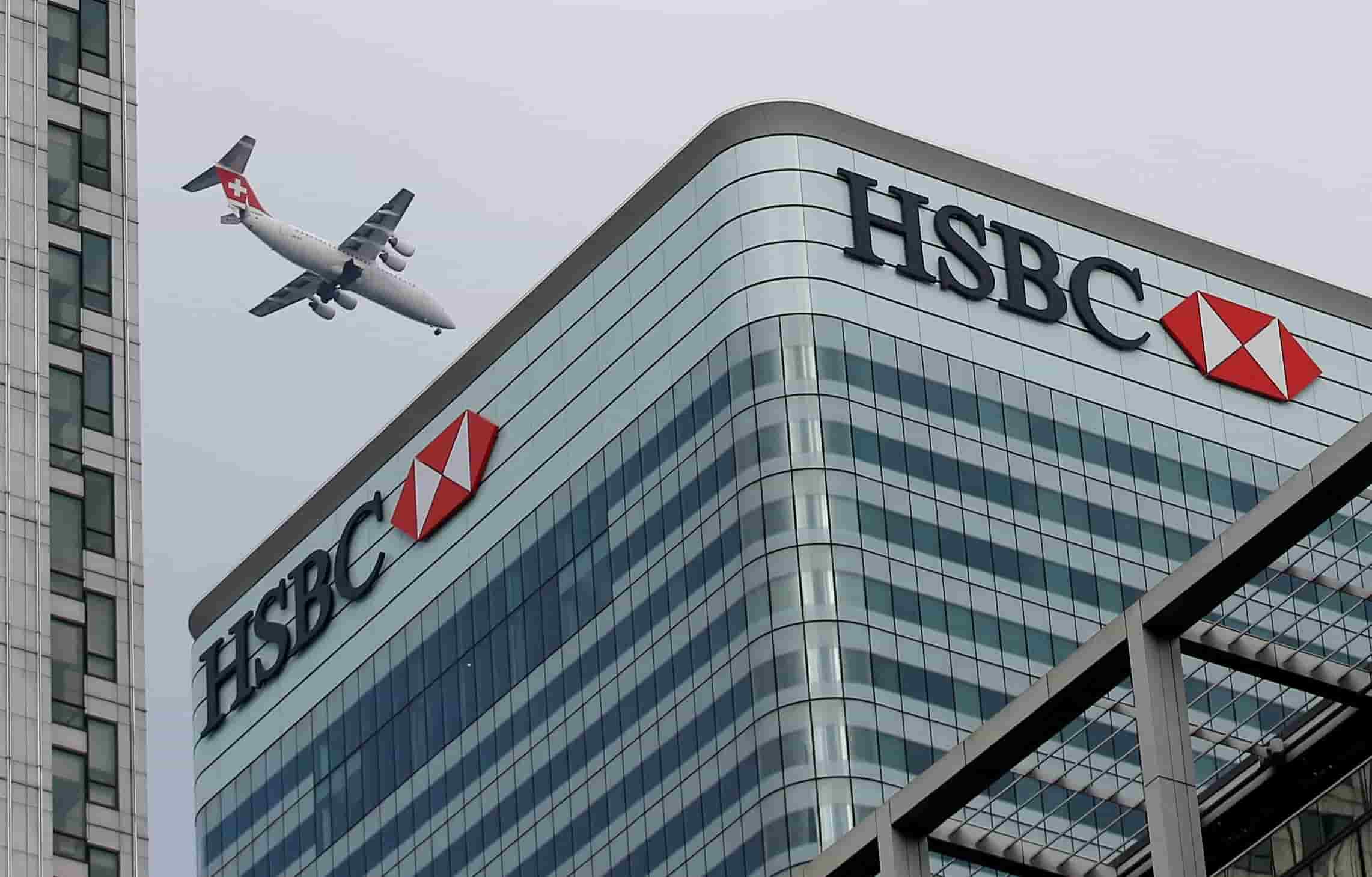
Declaring the annual financial report card for 2018, HSBC on Tuesday admitted falling short of expectations on several fronts, following a challenging fourth quarter. Markets across the globe experienced sharp falls in business activity during the last quarter.

Europe’s largest bank’s reported pre-tax profits for 2018 stood at $19.89 billion, a 15.9% jump from the previous year. Total revenue reported for the last year was $53.78 billion, 4.5% higher than in 2017. However, the London based bank’s pre-tax profit for the year gone by was expected to be at $21.26 billion, a 23.8% hike from 2017. Revenue projections were at $54.674 billion, 6.28% higher than the previous year.

The lender bank warned that it might have to scale down investment plans to avoid missing a key target known as ‘positive jaws,’ tracks whether banks are growing revenues faster than costs, for a second straight year. The share prices of HSBC fell by 3%. The bank has attributed the shortfall of expectations to the slowing trade in China and the UK.

HSBC CEO John Flint said on Tuesday that the bank would be proactive in managing costs and investments to meet risk to growth ratios where necessary. However, he assured that they wouldn’t take short term decisions that would hurt business interests in the longer run. He stated that the key focus would be to moderate investments and not to cancel or change the shape of investments.

The Chinese economy has slowed down to a 28-year low at 6.6%. This has challenged HSBC’s plans to increase investments in Asia, from where the banking giant accumulates 90% of its total profits. One of the major reasons for the slowdown of China is its elongated trade tussle with the United States. And if Beijing and Washington don’t reach the point of mutual consent, businesses will continue to suffer in both countries.

Asian markets contributed $17.8 billion to the bank’s profits, 16% more than what they did in 2017. Flint said that though the profits from Asia would continue to grow, the growth rate will dip a little due to the Sino-US trade war.

On the other hand, business back home continues to suffer. The sword of a no-deal Brexit is hanging on the UK as the deadline for Britain’s exit from the European Union is approaching. HSBC recently set aside $165 million against possible future bad loans in Britain, which reflected potential economic suffering due to a no-deal Brexit. Commenting of UK figures, Flint said that the longer uncertainty hovers around, the worse situations will continue to be for their customers. Due to uncertainty, the majority of the bank’s customers are postponing investments, which has resulted in the slowdown of the UK economy.

The core capital ratio of HSBC dropped to 14% for December 2018, a 0.5% drop from the previous year’s corresponding period, mainly due to adverse foreign exchange movements. Nonetheless, the bank has announced that it will be paying the yearly dividend at $0.51 per share, which is more or less in line with what markets analysts had predicted.

Trading News

There is great optimism that the US and China will be able to come to a deal and resolve the seven-month trade war between both countries. Due to that sentiment, the stocks in the Asian markets which were fluctuating mostly in the negative side rose to a 4-month high on Wednesday.

At the market:

The Beijing and Washington officials are hopeful that the talks which will begin next week will bring them closer to deal over the trade war and that cheered the markets.

The Shanghai Composite which is China’s benchmark and CSI 300 which is a blue-chip rose to 0.4% and the Hang Seng of the Hong Kong market increased by 0.6%. Asian markets rose on indications from the Wall Stress where Nasdaq and Dow rose by 1.5% over the positive outcome of trade talks between China-US. Wall Street was also optimistic as the possibility of another government shutdown became less due to a tentative deal with the US Congress.

Asia-Pacific broadest index MSCI increased by 0.5% and reached its highest since October 2018. South Korea’s KOSPI rose by 0.5%. Meanwhile, Nikkei climbed by 1.3% to reach a two month high.

In the currency market, the dollar was shedding as investors in the hope of a deal between China and the US moved their money to assets that are riskier. The dollar after reaching a two week high stood at 96.69.

The Euro ended a little higher by gaining 0.5% from yesterday and ended at $1.133 surpassing the 3-month low of $1.1258.

The Reserve Bank of New Zealand confined the cash rate at 1.75% which is a record low and highlighted its neutral stance. The Kiwi dollar increased by 1.4% and reached a one week high of $0.6829.

The dollar was steady at 110.57 yen.

Another major development that happened overnight in Wall Street is that the Cboe Volatility Index dropped to its lowest in more than four months and was at 14.95. The yields of the government bonds rose due to the risks being averted for the time being. The 10-year bonds of the US Treasury increased to a high of 2.694%.  The US crude oil futures also increased by 0.1% and was at $53.64 per barrel after it rallied at 1.3% on Tuesday.

There was an increase in oil prices as the data published by OPEC showed that there was a reduction in oil production in January. Moreover, Saudi Arabia which is a leading member in OPEC said that it would cut its output in March additionally by 500,000 barrels.

Trading News

Eveready, one of the biggest manufacturers of flashlights and dry cell batteries, has been put on the market by India’s Williamson Magor Group due to a pile of debt that has crippled the holding company of the group. According to a report in India’s Economic Times, the fight for the controlling stake in Eveready is going to see be an intense one, and it is interesting to note that two American heavyweights, Duracell and Energizer, are both vying for it. However, what places Energizer in a far better bargaining position is the fact that the company already owns the Eveready brand in key markets like the United States and China. They are, without a doubt, in pole position.

That being said, Duracell is going to mount a serious challenge to their bid, according to sources that are familiar with the matter. The fact that Warren Buffett’s Berkshire Hathaway is the owner of Duracell also makes it a very interesting duel. Other than the two American companies, major private equity companies are also in the running for the controlling stake. Among them are India private equity outfit Kedaara and global giants like KKR and Blackstone. Eveready is an incredibly attractive asset, and the interest among investors is palpable.

The Willamson Magor Group, which has interests in a range of business, is led by the Khaitans, an Indian business family and as of now, they own 45% of the shares in the company. Having been saddled with debts to the tune of around $140 million in the group, the Khaitans now want to sell off their stake in Eveready, and they have contacted Indian bank Kotak Mahindra to look for buyers. Any bidder who manages to get his hands on 45% of the shares owned by the group will also have the option to enforce a clause by way of which they can acquire a further 26% stake in the company.

All bids are going to be sent in this week and out of those a set of entities will be selected. Once that is done, a concrete offer can be made. Everyone who is close to the developments refused to comment on the issue. Spokespersons for Eveready refused to comment, while it was the same with Duracell, Energizer and private equity players KKR and Blackstone. A source, however, pointed out that the Khaitan family might retain a stake of around 10% to 15% following the sale. He said, “They are flexible and are looking at all options and will take a final call based on the final offers on the table. There is significant traction for the asset for its scale and brand equity. Expect a 30-40% control premium to the current market price.” 

Trading News

Significant progress has been made during the latest round of China-United States trade talks. Business leaders, analysts, and officials said that it could pave the way for a complete solution during the next-step of negotiations. They also conveyed that China has been opening up its economy to the rest of the world and is offering ample opportunities for various global investors.

The comment was made after the wrap-up of the latest round of talks between the United States and China in Washington on Thursday. According to the Chinese delegation, it is reported that both the sides had specific and constructive discussions covering topics such as technology transfers, protection of intellectual property rights, trade balance, and non-tariff barriers. The Chinese delegation said, “Important progress has been achieved in the current stage, and the two sides had candid, specific and constructive discussions.”

According to a Xinhua News Agency report, Vice-Premier Liu He met with United States President Donald Trump, who assured that a United States trade delegation would visit China in the middle of February for further negotiations. It added that the United States delegation is to be led by Treasury Secretary Steven Mnuchin and Trade Representative Robert Lighthizer.

Liu and Lighthizer were the ones who lead the two-day talks that happened in Washington on Wednesday morning. They were accompanied by dozens of other senior officials from both governments.

During the talks both the sides also determined the road map and timetable for next-step consultations. Both the United States and the Chinese delegation attached massive importance to the issue of technology transfers and IPR protection and accepted to improve the cooperation in this regard further.

The president of the US-China Business Council, Craig Allen said, “We understand that this week’s discussions covered familiar ground on structural issues and looked forward to hearing details about any progress that was made.” Craig Allen led council, in a statement has advised both the governments to use this month to address their unsettled issues.

The Chinese delegation said that creating a market environment of fair competition aligns with the direction of China’s opening-up and reform and therefore, China will look forward to addressing relevant US concerns.

Chinese delegation went on to add that both the countries have concurred to take adequate steps to engage in the more balanced development of bilateral trade. China will be making active efforts to expand imports from the United States in manufacturing, energy, agriculture, and services. This in return will help the country’s goal of high-quality economic development and also meet the people’s demand for a better life.

Craig Allen said it’s evident that changes to the bilateral commercial relationship are going to happen. But due to the complexity of the issue, it might take considerable time and hard work to resolve them.

The president for Asia-Pacific of the United States agricultural conglomerate Cargill Inc, Robert Aspell said that the best way to resolve trade issues is communicating with each other and finding a solution. “A large number of global companies have invested in China; it is a clear signal that China is going to open its markets further, and many opportunities can be found in different sectors across the country,” he commented.

Experts say that with collaborative efforts, both the United States and the Chinese economies can improve and could also increase the supply chain and global economy in 2019. The economies of both United States and China are strongly interconnected and that a blow to anyone would most likely make an impact in the other said Bai Ming who is the present deputy director at the International Market Institute of the Beijing-based Chinese Academy of International Trade and Economic Cooperation. Chen Wenling, the chief economist at the China Center for Economic Exchanges, said, “The United States needs Chinese goods as much as China needs equipment and agricultural products from the United States.”

Trading News

Earnings of China’s industrial firms have gone down further in December. This has placed a lot of pressure on policymakers to support the industries hurt by weak factory activity and slowing prices as a result of the U.S.- Sino trade war.

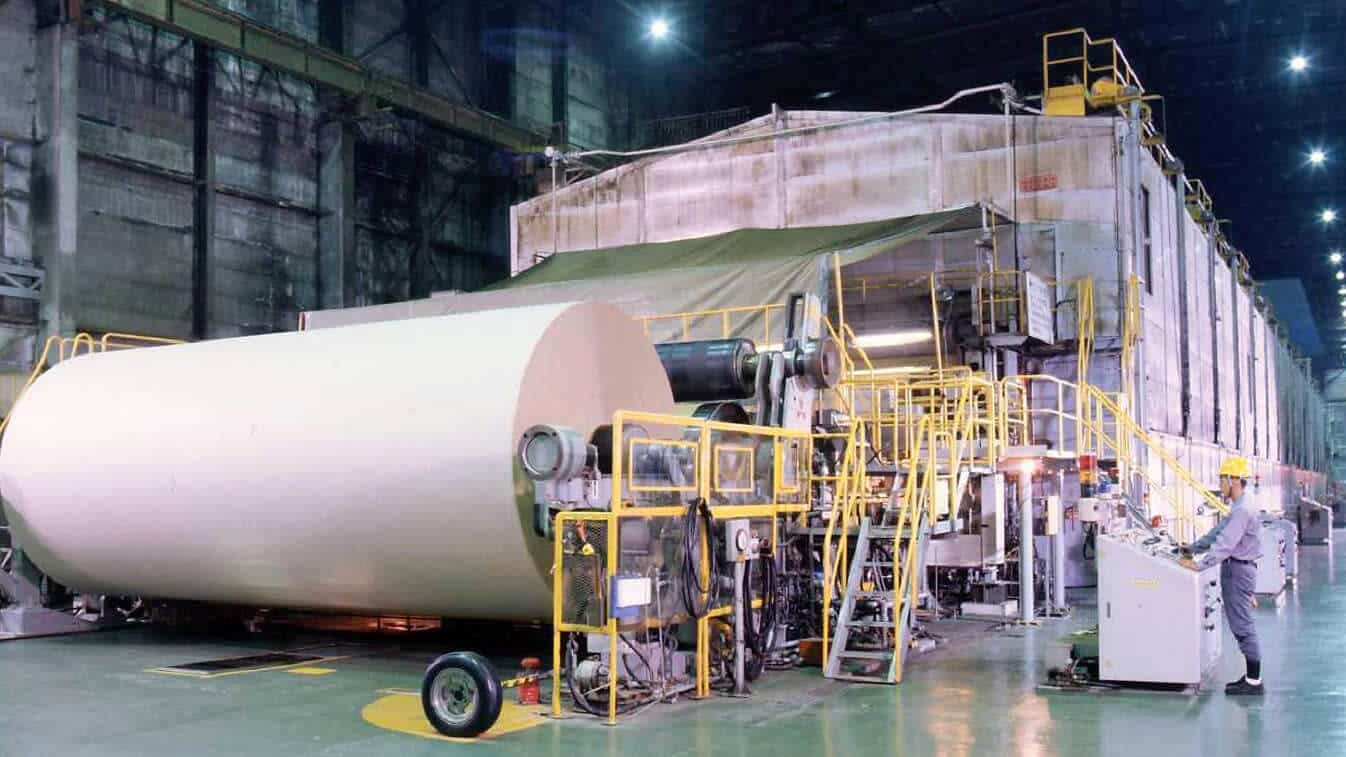
The dipping earnings point to troubled times ahead for China’s huge manufacturing sector which is already struggling with job layoffs, declining jobs, factory closures and so on. In fact, the Chinese economic growth is at its weakest in the past three decades.

The Chinese economy grew only 6.6 percent in 2018, and the growth is forecast to be even slower this year as a result of Beijing’s endeavors in reducing debt risks.  It has depressed the property market and as a result, slowed down the credit flow to the private sector.

Industrial profits saw a decline of 1.9 percent in December compared to the profit a year back. This decline was reported after a 1.8 percent decline in November, making the downward dip continue two months in a row. This is the first dip in profits in the last three years.

According to Tang Jianwei, at Bank of Communications in Shanghai, the declining trend will continue as the producer price index has also turned negative the previous month. When the PP becomes negative, it causes the industrial enterprises’ profits to go down as well. He also stated that the structure of corporate profitability would soon change.

Date released has shown that profits in coal mining, chemical as well non-ferrous metal sectors have all slowed down significantly. The profits of the entire year rose to only 10.3 percent or 6.64 trillion yuan in 2018 compared to the 21 percent rise in 2017.

Even upstream sectors like coal and metal mining, oil extraction. which command a larger share of the profits slowed down considerably in 2018.

According to Tang, rolling out the large-scale cuts promised by the Chinese government would help stall the declining industrial profits.

A recent survey showed that the activity of around 2500 small and mid-sized Chinese firms continued to contract in their fourth quarter in 2018, despite the many supportive government policies.

The Small and Medium Enterprises Development Index went down to 93, well below the 100-mark that marks the difference between growth and contraction.

A recent report stated that the latest measures by the Chinese government would provide support funding to private firms but will be limited, and the credit will be diverted to stronger private enterprises.