Company News

China’s leading mobile and online payments app Alipay has received e-money license in Luxembourg.

Alipay already holds a license issued by Britain’s Financial Conduct Authority. Luxembourg, a small country between Belgium, Germany, and France gave Alipay the surety of uninterrupted and smooth business in the event of a strong exit of UK from the European Union. The new P2D2 license will allow the Alibaba group to connect Chinese users with local merchants in EU countries and vice versa. The increase of mobile payments has effectively increased local merchant sales and advance the financial tech economy both in China and Europe. According to a recent survey, about 71% of Alipay adopting sellers said they recommend its use to increase sales.

With more than a billion users worldwide the Chinese giant Alibaba has been lobbying the Brexit situation and proactively approaching solutions to a worst-case scenario Brexit. The new Luxembourg licensed entity will be called Alipay (Europe) Limited S.A. and was officially introduced to the world in a Hong Kong press release by Pierre Gramegna, the Minister of Finance in Luxembourg.

Supporting the country’s decision of license grant, Mr. Pierre said: “Alipay’s presence would be beneficial to the Luxembourg financial ecosystem and will facilitate Luxembourg to consolidate the country’s position as the leading European hub for financial technology and e-commerce in EU.”

The news comes instead of another technology giant Alphabet Inc. being granted a payments license in Ireland, a move that will see Google expand its financial services offerings across all European countries.

Opinion & Analysis

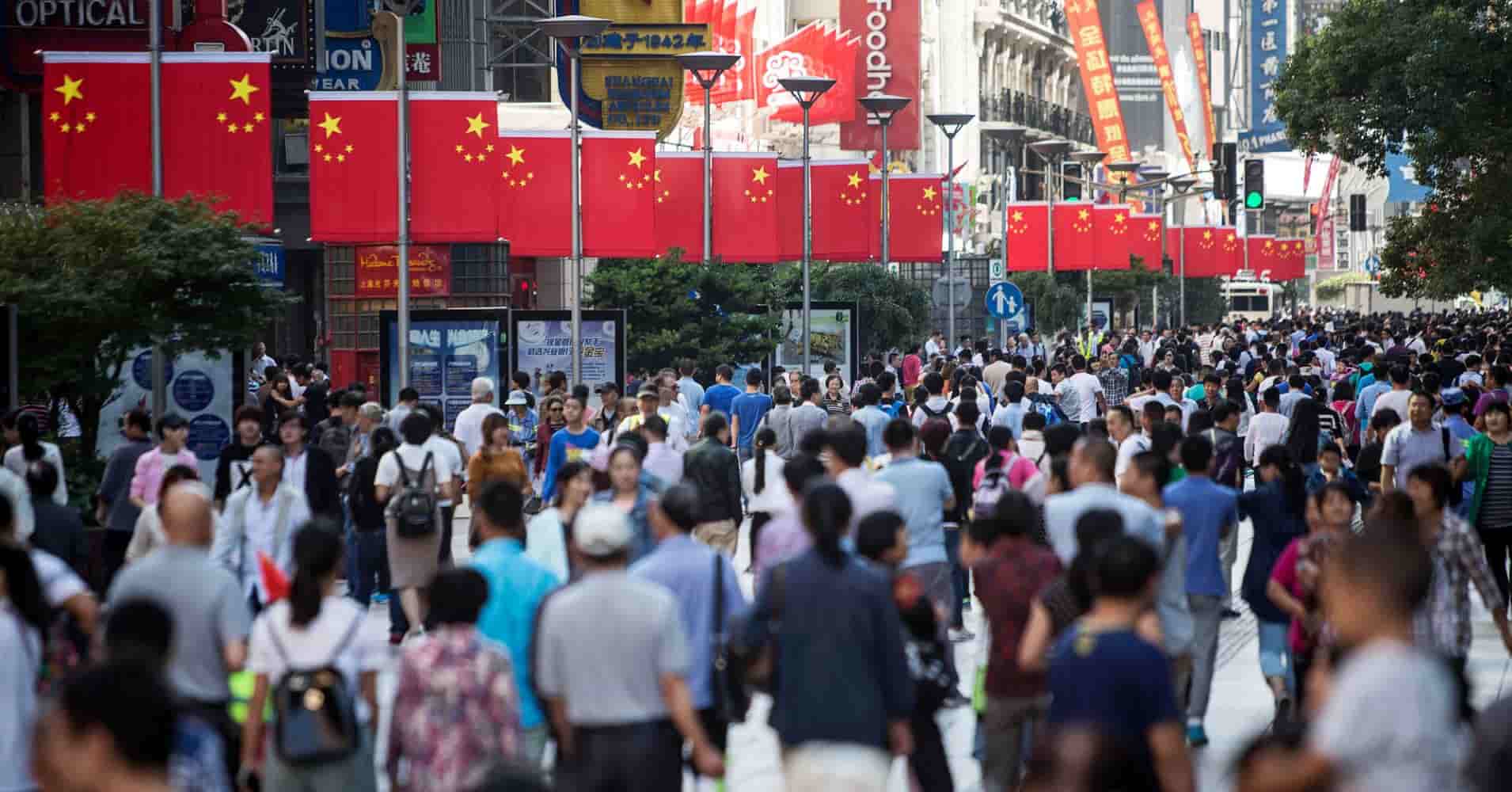
China which is the world’s second-largest economy grew by 6.6% which is slowest in 28 years. As per the latest official data released the economy lost its way further in the last quarter as the county tried to overcome the debt crises and the ongoing trade war with the United States. With that, there is tremendous pressure on the communist leaders to make an amicable settlement with the U.S and end the trade war. The report showed that the growth dipped to its lowest quarterly since the 2008 recession.

The Chinese government is meanwhile implementing measures to enable the country to get more sustained growth through customer spending. However, the customer reaction to this is jittery as they see impending job losses which have made them wary of spending. That has, in turn, prompted the government to increase spending and has even asked banks to reduce interest rates and increase lending so that they can reduce the job cuts. Despite these measures, the growth is expected to go further low as these take time to produce results. Analysts believe that there could be a slowdown again this year and reduce growth to 6.3%. However, if the quarterly growth is taken into account, there was an increase in 1.6 percent from the previous quarter while the analyst has predicted 1.5%.

Oxford Economist Louis Kuijs said in a report that the ‘Growth will remain under pressure’ and that it could get worse if the credit growth and the trade tussle with the US do not end quickly.

The trade war with the US to end soon?

The Chinese government which is already under great pressure after customer spending reduced due to fears of job losses and slowdown are keen on ending the tussle with the US. It can be considered as a sign of progress as Beijing announced that Liu He who is the vice premier and their top envoy of trade would be visiting Washington for bilateral talks that are going to be held at the end of January.  That has prompted economists and analysts to suggest that the talks held at a low-level have made progress and that has made China and American opposite number Robert Lightizer. Trump also indicated that it was ‘going very well’ and a deal could happen very soon.

The key risk to the Chinese economy is if the talks fail yet again and no deal is made then that is a huge downside to the growth.

Opinion & Analysis

China has officially declared that its economy has grown at 6.6 percent in 2018. It is the slowest growth of the Chinese economy since 1990.

The experts highly anticipated this official announcement all over the world amidst on-going talks with the United States on trade and tariffs.

Economists also have predicted that the Chinese economic growth would fall to this level from the 2017 level of 6.8 percent.

The fourth quarter has seen the lowest 6.4 percent growth, as expected. The fourth quarter growth in 2017 was 6.5 percent.

As per Chinese official data, there also few spots where the second largest economy has the edge. Industrial output grew 5.7 percent in December from a year earlier as the economists have expected growth of 5.3 percent. And the November’s industrial output was 5.4 percent.

Retail sales data rose 8.2 percent in December on-year, in line with a forecast and rose from November’s 8.1 percent gain.

Helen Zhu, head of China equities at BlackRock said the exporters are now trying to get the goods out of China to the United States before the new tariff regime starts. Though the economy is experiencing a deceleration, the vital hope for China is the exports.

She also told that she had expected support to the economy by increased Chinese Consumption and tax cuts. But, she reaffirmed that the growth for 2019 would be lower than the figures of 2018.

It is curious to know that some people have their reservations regarding accepting the Chinese official records of GDP growth. The veracity of the figures issued by the Chinese agency is yet to be proved.

Julian Evans-Pritchard, senior China economist at Capital Economics, a research house said the official GDP figures from China are so stable that it won’t be a proper picture of Chinese economic preference.

He also added that the service sector had been strengthened in the last quarter.

Chinese statistics bureau chief Ning Jizhesaid that the trade war with the United States has affected the domestic economy, but the impact is manageable. As per one report, the uptrend in the Chinese economy is happening due to the rise in the domestic demand.

Even before the China- U.S trade war, China was trying to manage the slowdown in its economy.

China is now trying to balance a crackdown on high debt levels while also maintaining economic growth. It is also trying to reduce the reliance on the debt would benefit the economy in the long run, it likely means a far slower pace of growth than the country has seen in recent years.

While as per the official data released the Chinese economy fared well for most of the months in 2018, but now the economy appears to be slowing down.

The two largest economies after a series of conflicts between them on trade practices finally agreed to make a deal out of this. China has offered a six-year boost in imports during its ongoing talks with the U.S., as per the sources. China also has promised to buy more goods from the United States which will be working as a boost Trumps’ electoral promises.

Trading News

The prices of oil hit its highest in 2019 as refinery processing data in China rose to a high in 2018. It brings a huge cheer to the industry as China which is the second largest economy in the world had a slowdown in 2018. The price rise is also partly because of the OPEC supply cuts. The National Bureau of statistics which released the data on Monday also reported that the output of the crude oil refinery jumped to 603.57 million tonnes in 2018 which is 12.12 million barrels a day and is up by 6.8% from last year. These figures are despite the slow economic growth witnessed by China after it posted its lowest growth in 28 years at 6.6%.

After the release of this data, the WTI or the West Texas Intermediate saw its price rise to $54 for a barrel for the first time in 2019. Brent also saw its cost rise to $63 for the first time this year. International Brent Crude oil was at $62.94 up by 0.4%.

Analysts had earlier predicted a much worse situation, and although the slowdown was as expected, it was not as worse as they had predicted. Despite the rise in oil prices the situation in the Chinese economy and the global economy is still gloomy, though a possible US-China truce and Beijing easing the credit crunch is a positive sign.

The Crude prices are likely to rise further as analysts believe that the supply cuts by OPEC will further strengthen it. A statement by JP Morgan said that Brent could remain above $60 per barrel on OPEC compliance, slower U.S growth, and the expiration of Iran waivers’. It also suggested that investors should consider staying for long as they expect the price to rise.

The reason behind the price rise:

Analysts believe that by the end of this year, the price of crude oil can rise to $70 as the OPEC cuts its supply which leads to a supply deficit in the market. Energy firms cut the rigs to drill for oil and reached its lowest of 852 in May 2018. That was mainly because of the slump in crude prices in the US by up to 40% last year. Though the number of rigs reduced, the oil production in the US still was up by 2 million barrels per day to a high of 11 million barrels per day. Though the growth which was seen by last year is not likely to happen this in 2019, analysts still expect that the US will remain the biggest producer of oil.

News

This year’s World Economic Forum in Davos starts in a week with the theme being Globalization 4.0: Shaping a new architecture in the age of the fourth industrial revolution. Many top executives and leaders from around the world attend this conference every year, and ahead of this event, the WEF founder has advocated the heads of state to draw an inclusive approach to globalization. This statement may have also been partly because of the ongoing political tensions among the major economic powers of the world. The Global Risks report was released by WEF earlier this week and a warning of an impending slowdown in the economy. The recent times have seen many geopolitical disharmonies which include the trade disagreements, Brexit, a slowdown in the Chinese economy, troubled international relations and much more.

Globalization has been the buzzword for many decades now, and that has helped both the developed countries as well as the developing countries with better economic growth. However, in recent years, globalization has taken a beating with many leaders taking a populist stand against it. That has disrupted migration as locals have started voicing their disapproval over lost jobs due to offshoring and automation as well as the closing of old industries. Keeping in mind these sentiments of the people the executive chairman of WEF Klaus Schwab told reporters that ‘We have to define a new approach to globalization which is inclusive.’ He also added that there is a need for moralization or demoralization of globalization and make it more sustainable and inclusive.

He further added that ‘Globalization has produced many winners and losers and there are many more winners, but now we have to look after the losers.’

Top leaders give Davos a miss:

This conference attracts the top executives from all over the world, this year some 3000 government, business, and other spheres are going to be in attendance. However, what is noteworthy is that some of the heads of states of leading countries like German Chancellor Merkel. Japanese PM Shinzo Abe, US President Trump, Italian PM Giuseppe Conte, French President Emmanuel Macron, Britain PM Theresa May, heads of India and Russia are not attending this event. Despite the absence of these top leaders, there is no loss of status as this is still a great stage for politicians to display their agenda.

There will be many executives like Chinese Vice President Wang Qishan, British Finance Minister Philip Hammond who will be looking to reassure top businesses. There is already growing anxiety over various affairs like tension in international politics, economic slowdown, fall in stock markets, which the leaders will seek to address in this forum and give the investors some confidence.

Company News

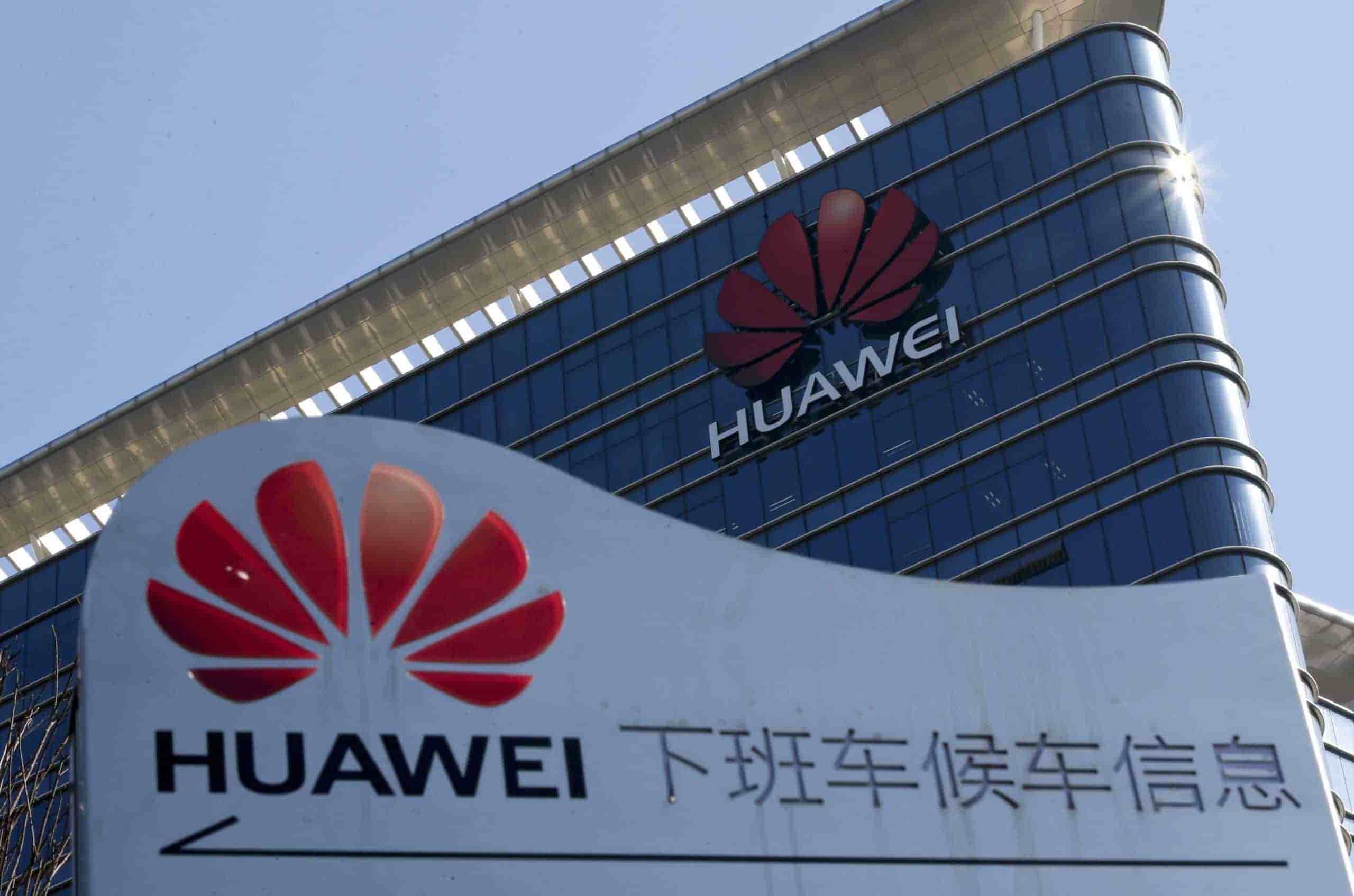
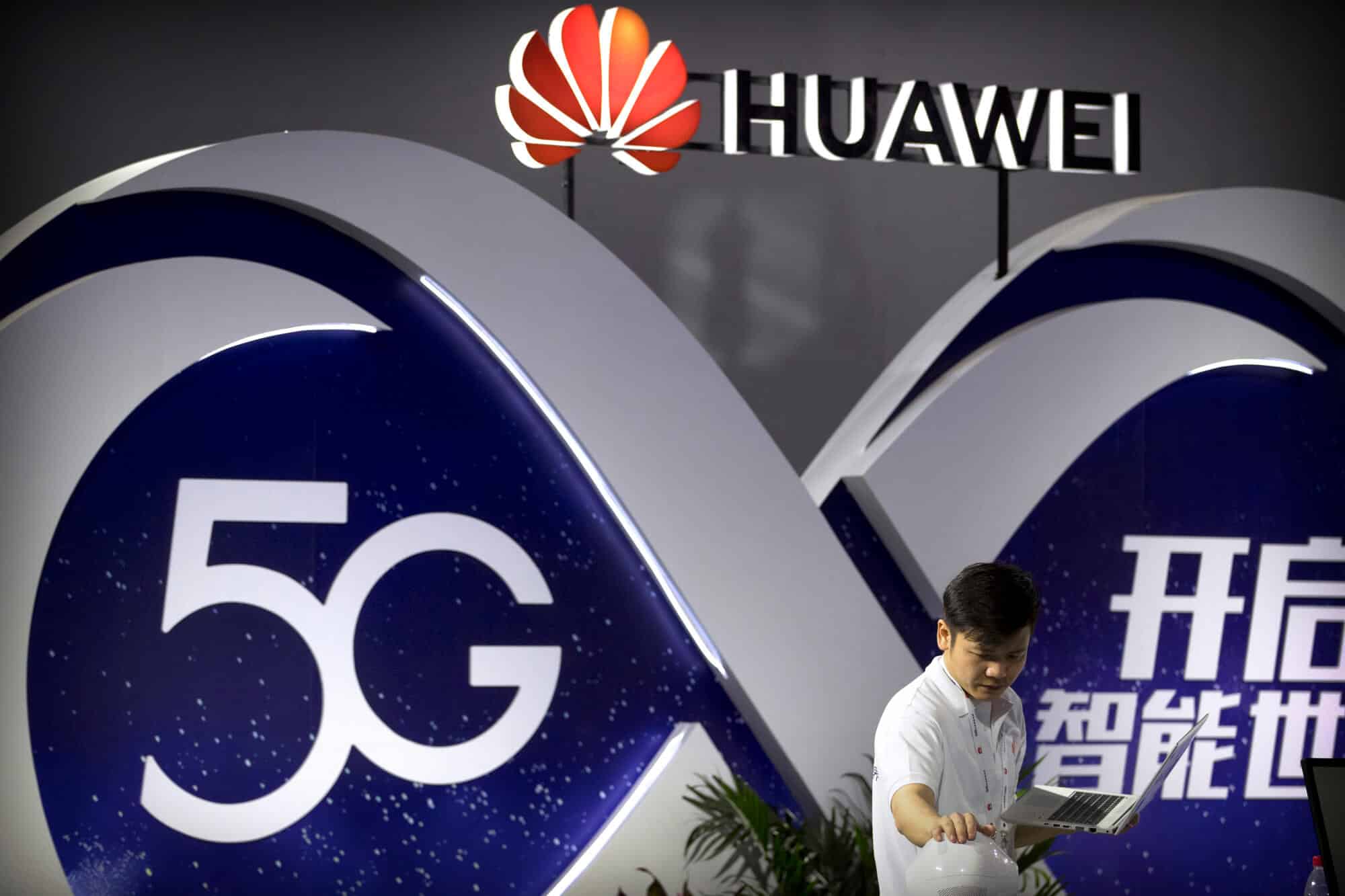
Germany is considering various ways to block Huawei’s 5G mobile network as per reports. If the government does block it, it will follow other countries like Australia and the United States which has already restricted Huawei from accessing its next-gen mobile networks. Both countries have cited national security as the reason behind banning it. The US officials said that the network equipment provided by the company might have ‘backdoors’ which can be used to access confidential information and that China controls them. Huawei has refuted such concerns as baseless allegations.

The German administration has not yet decided as to what steps to take, but they are considering many options to make the security more robust and find ways to remove Huawei. They are considering enforcing stricter regulations which prevent Huawei products used in 5G. Some government sources also said that Germany might also consider making some changes in the telecommunication laws as a last resort to block Huawei’s participation. Changes in law and stricter standards will ensure Germany is in line with other countries like the US and Australia.

The countries that are taking action

  • The US and its Allie Australia have banned Huawei from involvement in their 5G networks.
  • New Zealand has already stopped Huawei from supplying 5G equipment since November.
  • Canada is doing a review of the products shipped by Huawei and will soon come up with a decision.
  • British Telecom who is the leading network provider in the United Kingdom has ordered the removal of Huawei equipment from its 5G network.
  • Germany is considering banning supplies of the firms 5G networks.
  • The European Union has also expressed concern over Chinese manufacturers.

What does the company say?

Even as there are fears that Huawei is being used by China to spy on other countries and to gather confidential information, the company says it is an independent company who has nothing to do with the Chinese government apart from paying taxes as it is based in China. However, there are doubts regarding this claim as the founder of Huawei was a former army employee and is a member of the communist party. Moreover, there are also concerns on the freedom that Beijing provides to businesses and could ask the Chinese firm to make modifications to the devices they export to other countries and do cyberespionage.

In a bid to appease the German government Huawei appreciated the urge to regulate standards and has supported them by opening a lab in Bonn to help with the regulation.

Company News

Nissan Motor Co which has its headquarters in Tokyo, Japan and a manufacturer of trucks and buses has many manufacturing and assembly plants across the world, and one of it is in Mississipi. The company announced that it planned to lay off up to 700 contract workers in its assembly plant in Mississipi. The official reason was given as reduction in pickup trucks and van sales. Close to 6,500 contract and direct employees work in the Canton arm of Nissan. This lay off comes after the company announced that it planned to ax 1000 employees in Mexico.

In a statement by Brian Brockman who is a spokesperson of Nissan, he said that “Nissan is adjusting production capacity at its Canton manufacturing facility to match market demand and maintain healthy inventory levels,”

The company is reducing the production shifts of Nissan Vans from its original two to one and pickup trucks from three to two shifts. He also added that some of the employees affected by this cut would be reassigned to other areas and some of them will have to remain unassigned.

The company maintained that the direct employees will not be affected by job cuts and will be retained and assigned to other areas of work. Nissan is trying to reduce jobs through buyouts of employees who are older than 55 years of age and also through attrition.

Nissan has been in crisis over the past few months after the auto tycoon Carlos Ghosn who was Nissan Chairman was arrested on charges of underreporting his pay and financial misconduct. Nissan’s board took its time to remove Ghosn as the chairman as he was the mastermind behind the bringing together of three auto giants Renault, Mitsubishi and Nissan in a three-way which together became the most prolific car sellers worldwide.

When Carlos Ghosn who was once a darling of Japan both with common people and corporates with even a comic inspired by him was arrested, the stock values of all three companies plummetted and is considered one of the reasons for Nissan being in this financial condition. His arrest had caused huge concern among many workers who worked for the three companies, especially Renault’s as the company was deeply entwined with Nissan. Currently, each of the Nissan workers in Mississipi is hoping it’s not them that is going to be fired.

Though many believe that the job cuts are a result of the arrest of its chairman Carlos Ghosn in November, the company says that the layoffs have nothing to with the arrest.

Company News

The United Arab Emirates [UAE] and Saudi Arabia disclosed an agreement saying they will co-operate with each other for developing a new cryptocurrency. The report was published on 19 January by UAE official news agency named Emirate News Agency.

By the statement, The Executive members of Saudi-Emirati Co-ordination Council organized a meeting in the capital city of UAE Abu Dhabi. Altogether there were 16 members from both the countries that participated in the meeting. The reason for organizing the meeting was to examine more about the new joint initiative the strategy of Resolve.

The Strategy of Resolve is a new joint initiative that has 7 tasks. The 7 tasks include the Development of a cross-border digital currency, civil aviation, and financial awareness youth training. As per the article, the goal of cryptocurrency is to strictly focus on banks mostly during the experiment phase in-order to gain more knowledge about the implementation of blockchain technology and to support cross border payments.

The joint Cryptocurrency project will help in researching to know the impact of central currency on the various financial policies.

This joint initiative will probably strive to safeguard the customer interest, further developing standards for technology at the same time also examining the cybersecurity threats. The initiative will also determine the impact of central currencies by identifying the risks on the monetary policies. Statement according to the Emirate News Agency

In December 2018 Cointelegraph stated that the United Arab Emirates [UAE] Central Bank will be working in partnership as a team with the Saudi Arabian Monetary Authority to release a new cryptocurrency. The cryptocurrency will be sanctioned and accepted in the cross border exchanges that take place between the two countries.

In December 2018 itself, Cointelegraph published that- In 2019 because of its new crypto legislation the United Arab Emirates [UAE] is observing the list of most prominent destinations and is trying to connect with them for blockchain related businesses.

Trading News

As per recent news from the Dutch media group, Nederlandse Omroep Stichting (NOS), the Dutch Ministry of Finance has received an official confirmation to set up a licensing system which would create transparency as far as the digital asset trading and crypto-based services are concerned.

Pete Hoekstra who is the Netherlands’ Minister of Finance has asked for a special report on the various operations of crypto markets and several trading platforms which are currently in use from the Netherlands’ Authority for the Financial Markets and De Nederlandsche Bank which is the local central bank of Netherlands

The minister in a press meet claimed that he has already planned his operation by the outcome of the report and have taken it up seriously. As per the report, the down surge in crypto space speculations has made to take up investor’s protection action lightly in the recent times. The consequence on the aftermath of this less stringent action is that emphasis has been put on the prevention of laundering of money and terrorist financing through trading in crypto industry.

In a recent report by the Netherland’s Financial Intelligence Unit, it was found out that the number of unusual and illegitimate transactions in the digital asset space has increased at an exponential rate from a meager 300 up to 5,000 last year.

The proposed licensing system once introduced is expected the crypto exchanges and wallet providers to monitor and record their customers’ transactions and bring to the notice of the authorities if any suspicious activity is found. The exchanges are also required to collect and store all trading related information of their customers and provide to the authorities during the instance of an investigation.

procedure on their operation. The bank authorities have confirmed that they would ensureThe Netherland’s central bank has been asked to follow a systematic that the companies will be scrutinized and tested before the license are issued. Recently, the bank has conducted an exercise to check if they are competent enough to collect the required user data in times of need.

Richard Kohl who happens to be a board member of the Nederland Foundation for Bitcoin claimed that the step taken would not be something conducive for the young innovative companies and would be a backlash on the face of local innovation and culture

Kohl believes that the new stringent law would bring in an inconsiderable amount of manual-based paperwork and rising cost to the companies for staying compliant with the new regulated system. Once inducted into the system, these would cause major competitive disadvantages when compared to large financial established bodies like banks and other financial institutions. He even believes that not much research has been done when setting the process considering the actual dangers which can be brought on by cryptocurrencies with stringent measures taken which are too extreme. He also expressed his concerns over the feasibility of data storage and its privacy and other possible dangers associated with storing of such sensitive data.

As per a report from a daily publication last December, all digital assets and cryptocurrency-based service providers would be required to get licenses from the central bank of the Netherlands for their business operations.

Earlier in August’18, there was a news break that one of the top officials of the Dutch central bank had claimed that since cryptocurrencies are not considered as real money, the bank has not resorted to any plan of banning them.

Trading News

Ripple’s coin XRP is the second largest cryptocurrency coin in the market only after the Bitcoin [BTC] according to market cap. The XRP which is a digital asset is trying to achieve new financial organizations and institutions across the world to execute cross border transactions. This digital asset in future will be the top serious competitor for Bitcoin in the market.

XRP coin has significantly seen an increase in the trading volume at various exchanges around the world. As per the CoinMarketCap report the XRP coin traded at a volume of about $400 million, placing it at the 5th position by trading volume in the last 24 hours. However, coinmarketbook.cc confirmed that some portion of the coin liquidity is not true and is false.

The Coinmarketbook launched a new metrics .cc that will show the capacity of real liquidity of some of the popular coins in the market. The metrics have a Buy Support option that defines the sum of buy orders from the highest bid price at 10 percent distance and is computed by adding all the buy orders which are near to the bid price at max 10 percent distance and later the amount is exchanged into USD.

By using this technique, the Coinmarketbook will escape the operation of the market by market makers and big whales. The big whales and other market makers specify big orders to support the coin price which hides the real interest in the coin which is basically below the buying price level.

The buy support indicator displays that there are around $138 million users who are waiting to purchase bitcoin, around $26 million buying orders are for Ethereum, and there is only $13 million buying order for XRP token. To know more about XRP click here.

The website will give you the details information about real liquidity that has taken place on leading exchanges. The website allows the market to get an idea of the coin and the trading volume of the coin.

Few XRP token holders are misguided and falsely believe that XRP token is an essential element for operation across the company’s cross border payments solution. But this is not true because most of the banks are seen in support of a Ripple Product mostly known as xCurrent. The xCurrent product of Ripple does not make use of XRP tokens at all.

Now the question is about the price of the one XRP and how is it decided? As of now the price of XRP is decided by the speculators on crypto exchanges. In the long run, the speculators cannot decide on the value of XRP. The price of one XRP can be valued from people’s speculation, similar to the case like bitcoin. Nevertheless, the Banks are no more motivated by these beliefs and ideas.