News

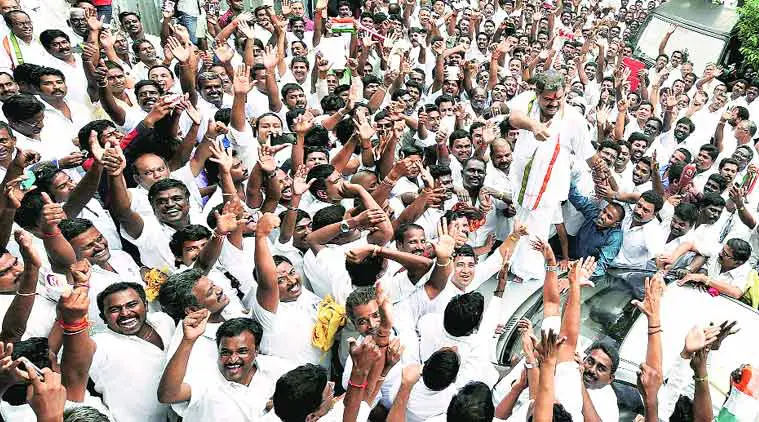
The Tamil Nadu government in considering an investment of worth $15 billion in the aerospace and defense department during the next 15 years to enable the State the most popular hub for both the sectors.

When Nirmala Sitharaman revealed the most awaited desirous aerospace and defense policy, the Defence Minister investment of $15 billion was informed. During the opening day of the Global Investors Meet the second edition on Wednesday, it was mentioned.

The main goal of the policy is to shape Tamil Nadu as the most preferred hub for aerospace and defense industries across India especially in the areas of design engineering, allied operations, and manufacturing.

In Tiruchirappalli, on January 20 the Defence Minister Sitharaman has unveiled the Tamil Nadu Defence Industrial Corridor which is about 300km away from Chennai. Investment of worth more than Rs 3,038 crore, at this defense corridor it was stated among them the majority of them were from public sector undertakings.

The objective of the Aerospace and Defence policy is to draw investment of around $5 billion in the next 5 year and later investment of another $10 billion by ten years mainly in the aerospace and defense department

The government also intends to create more job of around 1 lakh during the initial ten years especially in the field of aerospace and defense sectors.

Apart from this Aerospace and Defence sectors will be boosted, the policy will also control the strengths of Tamil Nadu mainly in the automotive manufacturing industry.

Tamil Nadu is home for most popular automobile companies. These companies have established themselves in the State among them the most popular are the following one’s Ford, BMW, Hyundai Motor India, and India Yamaha Motors.

The government also desires to develop Center of Excellence, Skill development institutions and Research and Development centers within the State by drawing the attention of global OEMs [Original equipment manufacturers] and top Indian companies across Tamil Nadu.

Some of the important benefits about Tamil Nadu in boosting the industries have covered in the policy. Namely, the state will rank first depending upon the number of factories and industries employees.

Tamil Nadu’s Gross State Domestic Product has increased at an annual growth rate of around 9 percent during the year 2004-2005 and during 2016-2017 average rate of around 7.5 percent growth higher than the national growth rate.

In India, Tamil Nadu is the third largest manufacturer of electronic and hardware, and the electronic hardware companies of the State noticed a growth, the annual growth rate from 2008 was around 30 percent.

In State, fortune 500 companies have established the manufacturing facilities which includes companies like Dell Computers, Motorola, Foxconn, Flextronics, Samsung Sanmina-SCI and other it mentioned.

To build the aerospace and defense industry in the State, the government is considering undertaking Cluster development and use appropriate approach to develop the aerospace and defense manufacturing unit by building the most needed infrastructure.

Some of the government agencies like the Tamil Nadu Industrial Government Corporation and SIPCOT will develop parks related to aerospace and defense industries using adequate infrastructure within the State.

The government will establish single window clearance facility through the Tamil Nadu Industrial Guidance Bureau that will look after the overall industry of aerospace and defense mostly associated with the infrastructure and manufacturing projects regardless of the size of the investment, it stated.

The formal launch of the aerospace and defense policy was revealed by the Defence Minister Sitharaman and the first copy of the policy was accepted by the Chief Minister of Tamil Nadu K Palaniswami.
Company News

China’s leading mobile and online payments app Alipay has received e-money license in Luxembourg.

Alipay already holds a license issued by Britain’s Financial Conduct Authority. Luxembourg, a small country between Belgium, Germany, and France gave Alipay the surety of uninterrupted and smooth business in the event of a strong exit of UK from the European Union. The new P2D2 license will allow the Alibaba group to connect Chinese users with local merchants in EU countries and vice versa. The increase of mobile payments has effectively increased local merchant sales and advance the financial tech economy both in China and Europe. According to a recent survey, about 71% of Alipay adopting sellers said they recommend its use to increase sales.

With more than a billion users worldwide the Chinese giant Alibaba has been lobbying the Brexit situation and proactively approaching solutions to a worst-case scenario Brexit. The new Luxembourg licensed entity will be called Alipay (Europe) Limited S.A. and was officially introduced to the world in a Hong Kong press release by Pierre Gramegna, the Minister of Finance in Luxembourg.

Supporting the country’s decision of license grant, Mr. Pierre said: “Alipay’s presence would be beneficial to the Luxembourg financial ecosystem and will facilitate Luxembourg to consolidate the country’s position as the leading European hub for financial technology and e-commerce in EU.”

The news comes instead of another technology giant Alphabet Inc. being granted a payments license in Ireland, a move that will see Google expand its financial services offerings across all European countries.

Opinion & Analysis

As per recent news, Ed Tilly who is the CEO, president and chairman of Chicago Board Options Exchange (CBOE), said that to attract Wall Street Investors, it is important that exchange-traded notes (ETNs) from Bitcoin (BTC) is made public. The visibility is important for the Wall Street institutional investors as far as joining the digital asset industry is concerned.

CBOE is the largest options exchange in the United States and offers options for over 2,200 companies, 22 stock indices, and 140 exchange-traded funds. It is a subsidiary of the Chicago Board of Trade and was established in 1973. CBOE Global owns CBOE. CBOE is the issuer of the CBOE Volatility Index and is a popular measure of the stock market’s expectations of volatility.

In a press meet, Billy said that there had not been a substantial growth for Bitcoin futures in recent times due to the absence of possible notes or trackers which are usually associated with BTC, with which retail customers could trade.

He even claimed that as far as the offering of access points to Wall Street Investors are concerned both exchange-traded notes and futures are important. Exchange-traded notes or ETNs are predominantly more accessible to the general investors when compared to traditional futures because of the fact of their low barrier for entry. Having a future comes along with having an ETN as well which is attractive to retail customers followed by institutional customers who can avoid the risk on the listed future market.

An exchange-traded note is a senior, unsecured, unsubordinated debt security issued by an underwriting bank. Similar to other debt securities, ETNs have a maturity date and are backed only by the credit of the issuer. ETNs are designed to provide investors access to the returns of various market benchmarks.

According to Billy, there is a particular reason for not approving the Bitcoin exchange-traded products such as the still-pending exchange-traded fund (ETF) application as the regulators are not competent to protect investors from trade manipulation which are inevitable in a market where regulators lack control.

An Exchange-Traded Fund or ETF is a fund that is traded on a stock market. They function as investment funds which allow everyone accesses to an index or commodity providing the same profit to investors as the major markets do. Thus, ETF stocks are one of the most popular among exchange users because of the easiness to invest in industries without being charged by the fund manager. Before buying an ETF, it is necessary to check what is included in the fund.

As per a leading news agency, Cointelegraph, Brian Kelly who is an entrepreneur and contributor to the news channel CNBC, stated in a press meet that there might not be any chance for a Bitcoin ETF approval this year.

It was in the news recently that Bitwise Asset Management which is a digital asset index fund provider is looking forward to registering with the US Securities and Exchange Commission to introduce a new Bitcoin exchange-traded fund platform.

Financial Planning

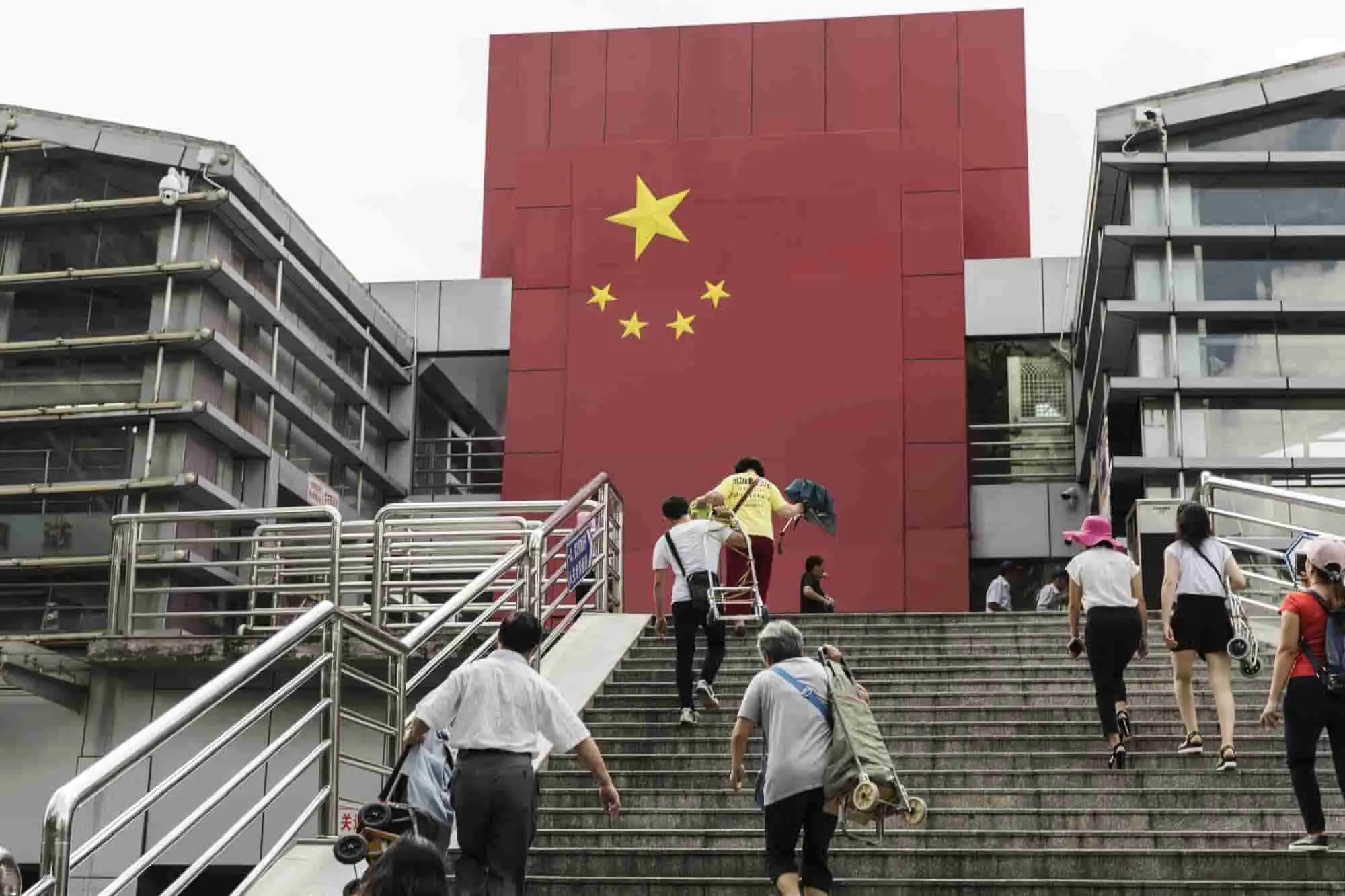
As per the recent Chinese credit data, the Chinese Government is relying on the tax cut as the first line of defense against the slowing down of the economy. The data imply that the Chinese Government has accepted the fact and started taking measures for the same.

Senior Chinese policy officials confirmed that more large scale tax reductions are in the pipeline. As the country is facing multiple issues with the economy like worsening of trade and total output, it has finally depended on the fiscal measures. As per JPMorgan Chase & Co., the total impact would be around 2 trillion yuan ($300 billion), or 1.2 percent of the gross domestic product of China.

This time China is following a different path to tackle the situation than the path taken after the global financial crisis. Its focus on the previous attempt was on infrastructure investment and monetary policy changes. This time China wants to tackle the slower economic growth without a debt blowout. It has managed to expand the credit growth for December, and the Central bank has been very successful in curbing the shadow banking which possesses a huge risk to the economy.

As per data, aggregate Financing in November was 1524 billion yuan, and in December it rose to 1590 billion yuan, with a median estimate of 1300 billion yuan. Out of the total financing, new yuan loans for November was 1250 billion yuan, and in December it contracted to 1080 billion yuan, with a median estimate of 825 billion yuan. And M2 money supply year-on-year basis for November was 8.0 percent, and in December it rose to 8.1 percent, with a median estimate of 8.1 percent.

Cui Li, the head of macro research at CCB International Holdings Ltd. in Hong Kong said at this moment the scope for monetary policy is very less, and fiscal policies such as tax cuts will be effective. She also added that the high leverage and property prices had limited the chances of massive monetary stimulus. But comparing with the infrastructure binges, as a growth measure, tax cut’s effects will be realized gradually.

Last year May saw a deduction of value added tax by the Government in manufacturing, transportation, construction, telecommunications, and farm produce industries, followed by a lowered personal income taxes and the introduction of more such deductions. And earlier this month, the State Council announced a $29 billion annual tax cut meant for small businesses.

Though it is still unclear whether the new approach of a tax cut will be effective or not owing to global tensions and trade war with the United States, but the approach has been adopted due to China’s debt load. By spending money on infrastructure like bridges, road, railways, etc. may become counterproductive for the stability of the economy.

JP Morgan economists led by Zhu Haibin wrote in a report that the Government is facing the debt load problem due to years of over-investment and huge spending on infrastructure that led to a surging debt.

The report also states it is yet uncertain that how much tax benefits will be moved to the required class for showing the effects on the Economy.

As per economists, the reduction in the tax may boost the Gross Domestic Product growth by a minimum of 0.46 percent. But, the slowdown linked to slower growth of world economy and trade war will not leave the Chinese economy very soon. It will linger on to the few next quarters.

The new policy changes that are scheduled to happen was briefed by Zhu Hexin, deputy governor of the People’s Bank of China, Xu Hongcai, assistant minister of the Ministry of Finance, and Lian Weiliang, the vice chairman of the National Development and Reform Commission. They also pledged to support the consumption of cars as well as other household goods. It should be reported here that the sales of cars fell for the first time in 28 years.

Xu said that the government would facilitate local governments to issue more infrastructure bonds in comparison with 2018 that will ensure continuous infrastructure development, but the rise in bonds should not be taken as a measure to tackle slower growth.

A Shanghai-based economist at Shenwan Hongyuan Group Co. said that in order to increase the personal consumption and consumption by businesses, a tax cut is the only way out for the Government. Introducing big financial stimulus packages may not yield results that are expected.

However, owing to the nation’s quasi-fiscal efforts such as special bonds and land sales will lead to an inflated fiscal deficit. It is expected to have a growth in Fiscal deficit of 11.3 percent of total output this year, whereas the last year’s mark was at 10.7 percent.

Tariff Cuts-

The government also has declared rounds of import tariff deductions so that the cost pressure would be minimal on the consumers and it also had said that opening up of the economy would be again rolled out this year on a wider basis.

The Government is most likely to set a target growth for this year in the range of 6 and 6.5 percent, as per experts.

Carie Li, an economist at OCBC Wing Hang Bank Ltd in Hong Kong, said the credit data is still showing negative numbers as the Government’s prolonged campaign to wring out the shadow banking has been successful. The new stimulus measures in terms of fiscal policy changes are still unable to fill the gap created by the crackdown by the Chinese Government. And the Government, as well as the Central bank, may need to think about the funding needs of the privately-owned businesses specifically in order to achieve the credit growth they have expected.

News

The on-going shutdown has affected the lives of many in the United States. The affected persons range from the federal employees to other businesses dependent on the Government. But, it is strange and equally surprising that the shutdown has also affected the United States President.

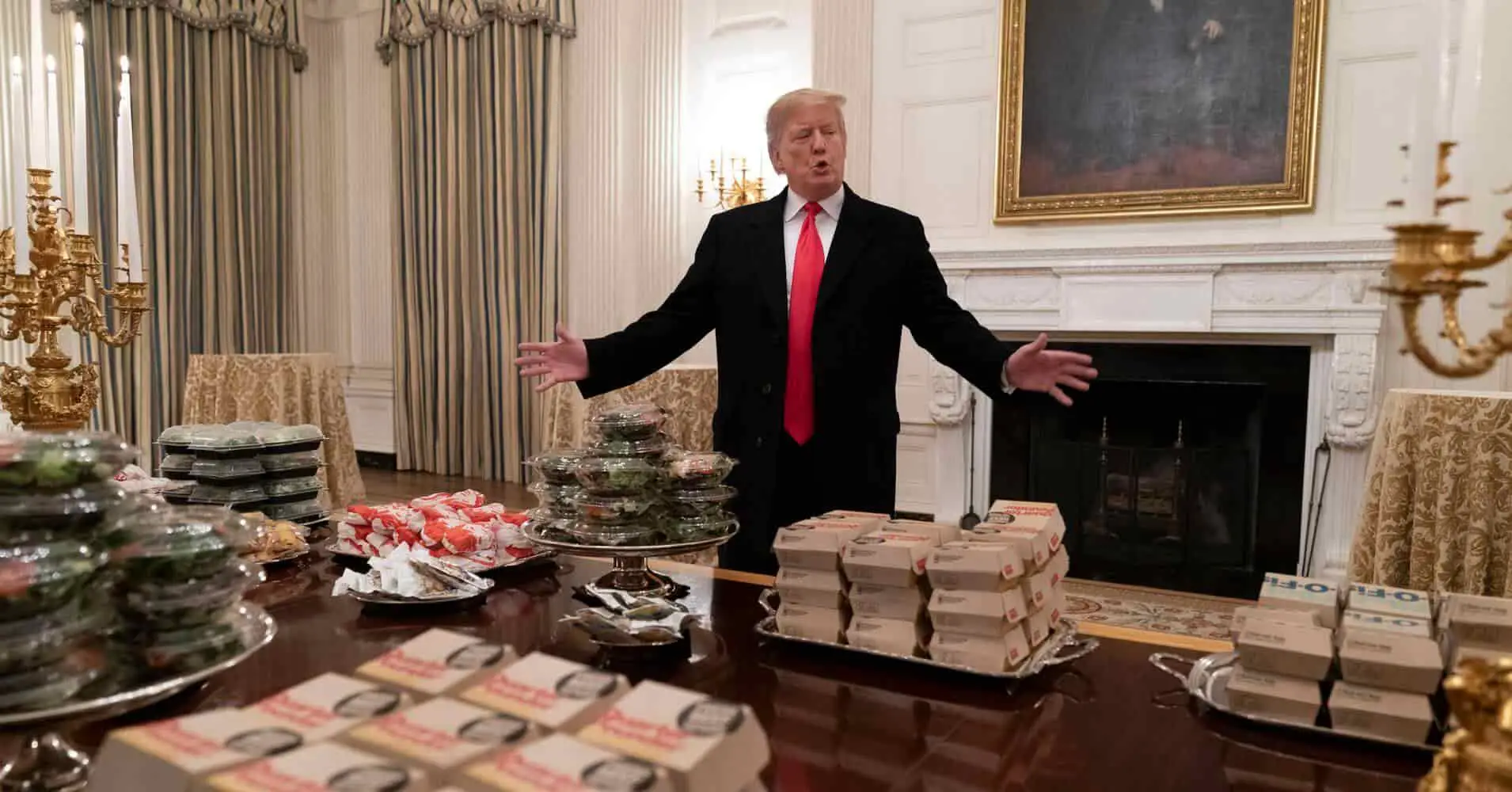
President Trump personally paid for an “all American” feast of burgers, pizza, and fries for a visiting college football champions in White House. President Trump had to do this as the White House chefs are among those federal workers who are furloughed owing to the partial shutdown. It should be reported here that the ongoing shutdown is the longest one in the history of the United States.

On Monday, the Clemson Tigers were invited by President Trump to the White House as they have won the national championship defeating Alabama Crimson Tide.

Having all the Chefs of White House absent due to the on-going shutdown, Trump used his own money to order burgers and fries from McDonald’s and the Wendy’s which he termed as the “great American food.”

He said that he had ordered American Fast food paid by the President himself, the food included lots of hamburgers, pizzas. He also added that he had hoped the team would like those foods more than he could offer.

Standing behind the spread of fast food, in the Dining Room of the White House, Trump said he likes them all, and he would like to see at the end of the evening how many are left.

White House Press Secretary Sarah Sanders said that the President had arranged a fun event to celebrate the College Football National Champion Clemson Tigers. As the Democrats are adamant on refusing the budget for the border wall, there is a shutdown, and the President had to pay on his own as due to the Shutdown, White House staff is also furloughed.

When asked about the choice of McDonald’s or Wendy’s Trump said he chose these outlets as those are all good American stuff, and the national champion team at the White House deserves a little celebration. Praising the team for the game, he said that the team had played fantastic against Alabama.

It was for the second time the Clemson Tigers were invited to the White House. They had visited the White House in June 2017 after winning the previous championship.

The football player walked into the event and found tables loaded with hamburgers from McDonald’s, Wendy’s and Burger King. Another table was full of Dominos Pizzas and fries.

President Trump explained that he had arranged a number of foods that are liked by the Americans throughout the nation and he would like to see how many are left after the end of the event. He also said that because of the shutdown he had to arrange the event like this.

He also added that he was happy about the Republicans sticking together for the greater good of the nation. Emphasizing on the border wall, he said it is needed from the security viewpoint, and the wall should have been done many years before. And he said he is confident that the wall is going to be built this time.

It should be reported here that the partial shutdown has reached 24th day due to the conflict between the Trump administration and the Congress over the funding of proposed U.S. – Mexico border wall. The lives of around 800000 federal workers have been affected by this partial shutdown. The cost of the proposed wall would be $5.7 billion and as per some experts in a week, if the Shutdown continues, the cost to the American economy will surpass the cost of the proposed wall.

The shutdown has closed temporarily many key departments like the State Department and not surprisingly the White House kitchen. Trump told at the event that he did not want to postpone the event until the shutdown ended.

The last record shutdown happened in 1995-1996 at the time of President Bill Clinton which lasted for 21 days.

Trading News

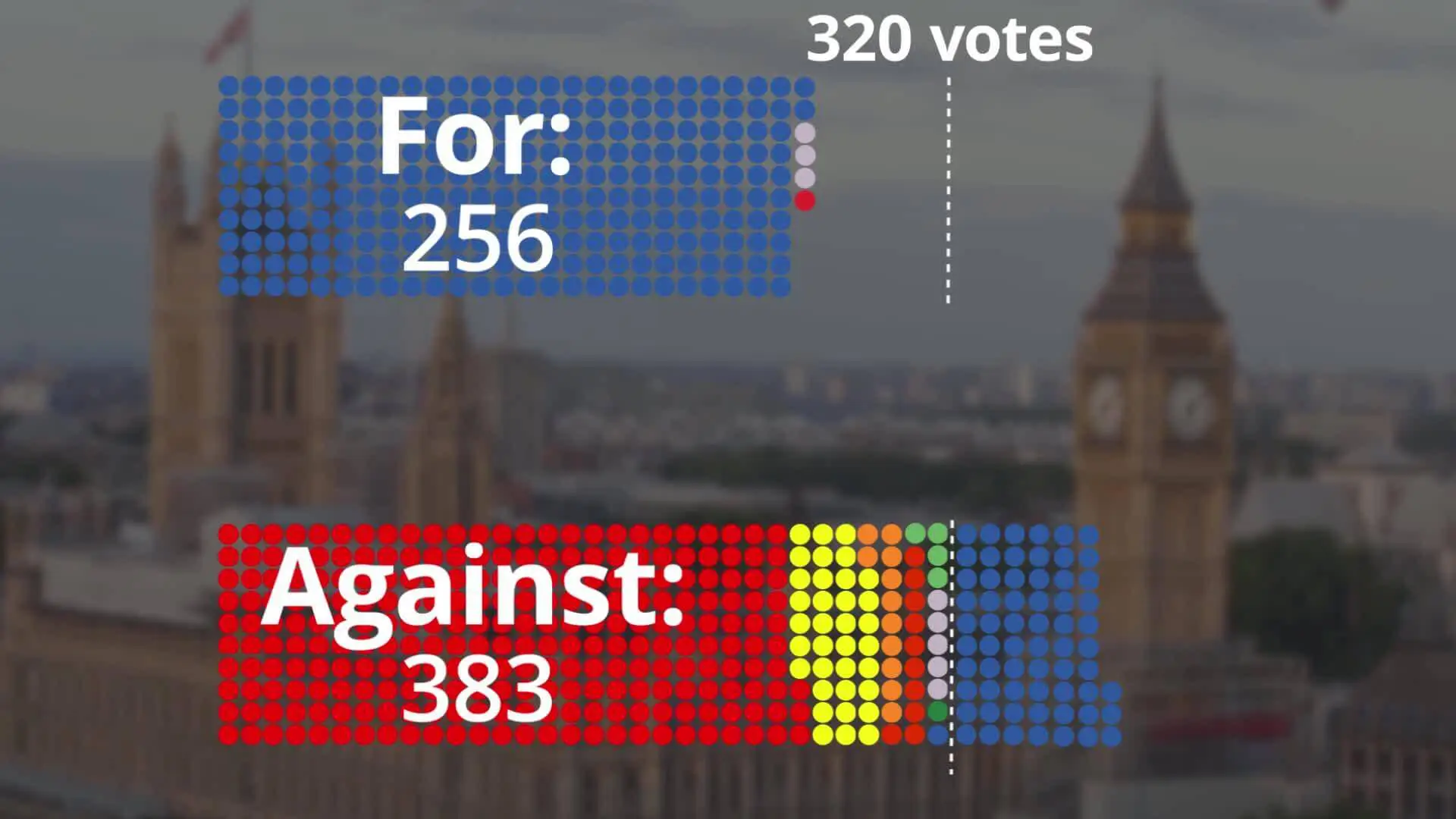
UK Prime Minister Theresa May suffered a humiliating and historic defeat on the Brexit deal in the House of Commons. Her deal was dismissed by the Member of Parliaments by 230 votes which is considered as the largest defeat suffered by a ruling government in UK’s history. 432 of the MP7s voted and out of them, 209 said ‘No’ to the deal. Earlier, May has postponed the voting from December to garner more support from the MP’s but despite that could not get them to vote for her Brexit Deal.

If the vote had been passed in the House of Commons, May had plans of making a departing from EU on Mar 29 and has also worked out on a transition period to thrash out details of a deal for free trade. Since the deal did not come through, now there is speculation about an early general election which could be another headache for Prime Minister May after Jeremy Corbyn has pressed for a no-confidence vote against the government.

Pound steadies but till when?

Despite May’s defeat in the exit vote, the Sterling has recovered, and that has taken the investors on a rollercoaster ride. The investors expected the Pound to slide down if May lost, but on the contrary, the Pound rebounded against the Dollar. Now that the ‘no-deal’ situation is highly probable with the huge defeat May has faced, the Pound is getting much support, and that is seen in the markets too. Even though the pound is steady for the time being, the future looks quite unstable as there is no telling about the outcome of the vote for ‘no-confidence.’ The Pound is expected to be stable for a short duration if Theresa May survives the vote of no-confidence. However, on the other hand, if she loses the pound can have a significant fall due to chances of a general election. The pound will remain volatile till the political situation stabilizes.

The GBP was at $1.284 against the dollar and was less by 0.1% and had regained a cent more than the lowest in the day after a huge margin defeated may. The trade funds that are focused on UK exchange are under tremendous pressure. The FTSE 100 ETF which a Tokyo based saw a decline of 1%, so were the shares in Asia-Pacific outside Japan. Shenzhen and Shanghai shares also saw a fall of 0.1%.

Stocks

After multiple decades of dependence on oil, Saudi Arabia is finally all set to diversify its economy. As decided earlier, after a delay of almost a year, Saudi Arabia is now all set to sell assets worth of $11 billion.

The Arabian Government aims for this money by 2020 through its privatization program that includes the sale of stakes in utilities, soccer clubs, flour mills, and medical facilities. The selling of stock will be done to detach the Arabian Economy from the high influence of oil only. But, the plans of stock sale have been delayed for multiple reasons, especially the introduction of IPO of oil giant Aramco.

According to the National Center for Privatization and PPP that deal with privatization said with the current status of initiatives and the progress made by the Privatisation Supervisory committees, the target seems attainable. And except a few big things, all the projects are on schedule.

As per NCP’s statement, Saudi Arabia will complete the sale of four flour milling companies and Saudia Medical Services facilities by the end of this year.

Jean-Paul Pigat, head of research at Dubai-based Lighthouse Research said privatization is one of the major parts in the large reform process Saudi Arabia has planned. But, it has been missing its target dates, and in comparison with the last year, the macroeconomic conditions may not be conducive for acceleration in privatization this year also.

Here are the details of the Companies, Saudi is aiming to privatize-

Saudi Aramco-

Crown Prince Mohammed bin Salman declared the sale of shares in 2016. And announcing the IPO, he said he meant only business by the sale of the shares. And, experts believed it to be the largest IPO in the world. Later, the target year was pushed from 2018 to late 2020 and finally to 2021 so that it can buy a $70 billion stake in the kingdom’s biggest petrochemical company Sabic.

Stock Exchange-

Tadawul, the Middle East’s largest stock exchange, released plans for a public offering in 2014. It also had appointed HSBC Holding Plc. as the financial advisor. It was also scheduled to be done by 2018 but later dragged to the end of 2019. It is expected that inclusion of Saudi stocks in indexes compiled by FTSE Russell and MSCI Inc. may boost the company’s value, ultimately giving larger amount after the sale.

Riyadh Airport-

The stake of King Khalid International Airport was also scheduled to be sold in September. But, it was put on hold. The Saudi Civil Aviation Holding Co. is said to have asked local and international investment banks to act as financial advisor to the deal.

Flour Mills-

There was a plan to sell four flour mills by the Saudi Grains Organisation in 2016. It was also delayed by three years. Potential buyers have filled their application for bidding. HSBC Saudi Arabia is the advisor for this deal.

Ras Al Khair Power Plant-

Ras Al Khair power plant on the east coast was scheduled to be sold at $7.2 billion by 2020. BNP Paribas was hired to advise on this sale. The sale of this plan is a part of the larger plan of privatizing Saline Water Conversion Co. by selling a part of its assets and developing plants.

Soccer Clubs-

The plans to privatize the Soccer Clubs were first formulated in 2016. And the sale was scheduled to be ended by 2020. Turki Al Alshikh, former head of the Saudi Sports Authority, predicted to raise money in the range of $800 million to $1.5 billion from this sale. The NCP said that the last year was spent on deciding the legal and commercial framework to cover the use of advertising, sponsorship deals and broadcast rights to be used after the sale.

The NCP also added that along with these big deals, there are also some deals in the pipeline which will be open to the public for holding stakes. They include municipal assets related to commercial-land for development, renewable energy PPP projects in solar and wind, parking centers; a second cargo license station at King Khalid International Airport, the establishment of an agriculture company and independent schools in PPP mode, as well as school buildings on a build-maintain-transfer basis.

In the health sector as well, the NCP will open tenders in PPP mode in radiology, laboratories, hospital commissioning and housing for health facilities staff. It is aiming to get around $7.5 billion from the sale in health care.

The NCP replied when asked about the delay, that they were finalizing on the legal and commercial framework for the sale to happen. They want the best-in-class operators across the globe to participate in the PPP sale. And for investments, they plan to attract long term and reliable investors to Saudi Arabia.

It is indeed an important step by the Saudi Arabia Government to diversify their economy. Oil has been the vital component of their market, and with the reforms, they have in the pipeline, it is expected to have fewer shocks globally in the Oil market if they become successful in diversifying.

News

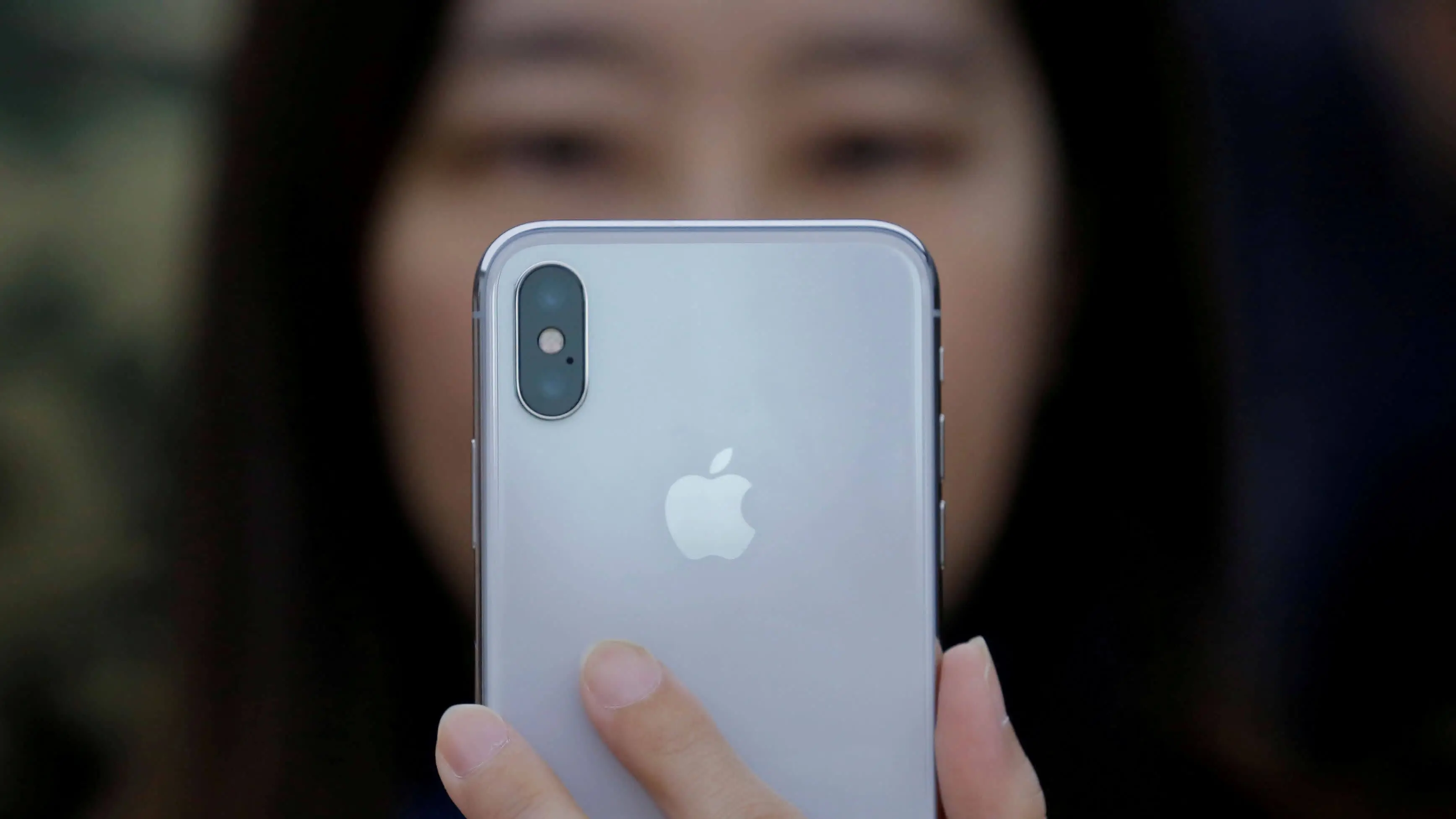
After being the bestselling smartphone in China, the premium iPhones are now losing market share in the largest smartphone market in the world. To retain the customers, retailers in China are offering huge discounts as the sale of these iPhones is struggling throughout the country.

As per the customers and experts, the phones are really expensive than it should be and it also lacks innovative features like its competitor Huawei is offering. The technology giant also admitted having predicted lower sales of iPhones for the next year owing to slash in demand and the ongoing trade war between the U.S. and China. And the lowering demand in China would definitely result in a bad revenue set up for the coming quarters for Apple.

Chinese biggest iPhone retailer Suning changed the price of the 128GB version of the iPhone XR from 6,999 yuan ($1,036) to 5,799 yuan ($858) — a 1,200 yuan ($178) discount. Other third-party sellers are even offering cheaper iPhones by flash sales. One seller was selling a 256GB version of the iPhone XS Max, Apple’s most premium device, for 9,699 yuan ($1,436), way below the U.S. firm’s official selling price of 10,999 yuan ($1,628) for that smartphone.

Yet, the selling prices of these phones are way above than the selling price of iPhones in the U.S. This particular iPhone XS is sold at $1249 in the American market.

An Apple reseller, Sunion, was advertising 700 yuan off for both the 128GB and 256GB versions of the iPhone XR. Pinduoduo, an e-commerce site is selling these phones through third-party sellers after a huge discount.

The issue with Apple products in China has two answers as per the consumers. First, it has bad pricing. The iPhones are too expensive with respect to its features, and it is not bringing innovative features to the phones as some local brands are doing. Now, as per statistics, much market share of Apple has been lost to other competitors in China.

Pricing Issue-

The price of the iPhones across all the models in not only China but also in any Asian market is way above than the price in the United States. For example, Apple’s 512GB iPhone XS Max, the most expensive of the new models, costs $1,499 in the U.S. But in Asia’s largest economy, the un-discounted price is 12,799 yuan, or nearly $1,900 — this about 26 percent premium on a single phone. And the same way iPhone XR, which was expected to be the cheapest of all iPhones, is also sold at a 28 percent premium in the Chinese market.

But, Apple has blamed the rising trade war between the two largest economies for this slump in demand in China. But, experts say the trade war is just an eye-wash, but the real issue in the Chinese market is its pricing.

It is time for Apple to identify the real issue and declare competitive pricing for the phones. But, as of now, Apple has no plans to slash the price anymore in the Chinese market. It also said that the company’s offer to upgrade iPhone 7 Plus with iPhone XR is also not very successful in China as customers feel that the new phone lacks any new thing or any new inventions.

Huawei-

Though the brand has been on the news for wrong in the international market, the business of Huawei is growing like anything. This has now become the second largest smartphone seller in the world replacing Apple. It is next to only Samsung, the Korean giant.

As per the Chinese consumers, Huawei is offering the newest of features, and they feel a certain sense of connectedness in buying smartphones of the local brand. Huawei phones are cost effective and offer popular features like triple lens camera and on-screen fingerprint scanner. The brand’s flagship phone P20 Pro has taken much interest of the buyers not only in the Chinese market but also in the international market.

The upgrade-

Apple also has not been very prompt to bring upgrades to its phones. Huawei and Samsung have announced that they would bring 5G technology by the end of 2019, but Apple does not seem to bring the high-speed internet technology by late 2020. Major Chinese telecom providers like China Mobile and China Telecom are planning to roll out 5G technology by the end of 2019.

There are lot many dimensions to the poor sales of the iPhones in China. Though the pricing is a major issue, the trade war also seems to be a big factor in this. For the betterment of the global trade, the trade imbroglio should end at the earliest. After all, it is the globalization which has made the best of the many western countries, and the same opportunity should be given to other Asian countries now.